
Millions of small boats can make a big difference for the Baltic Sea
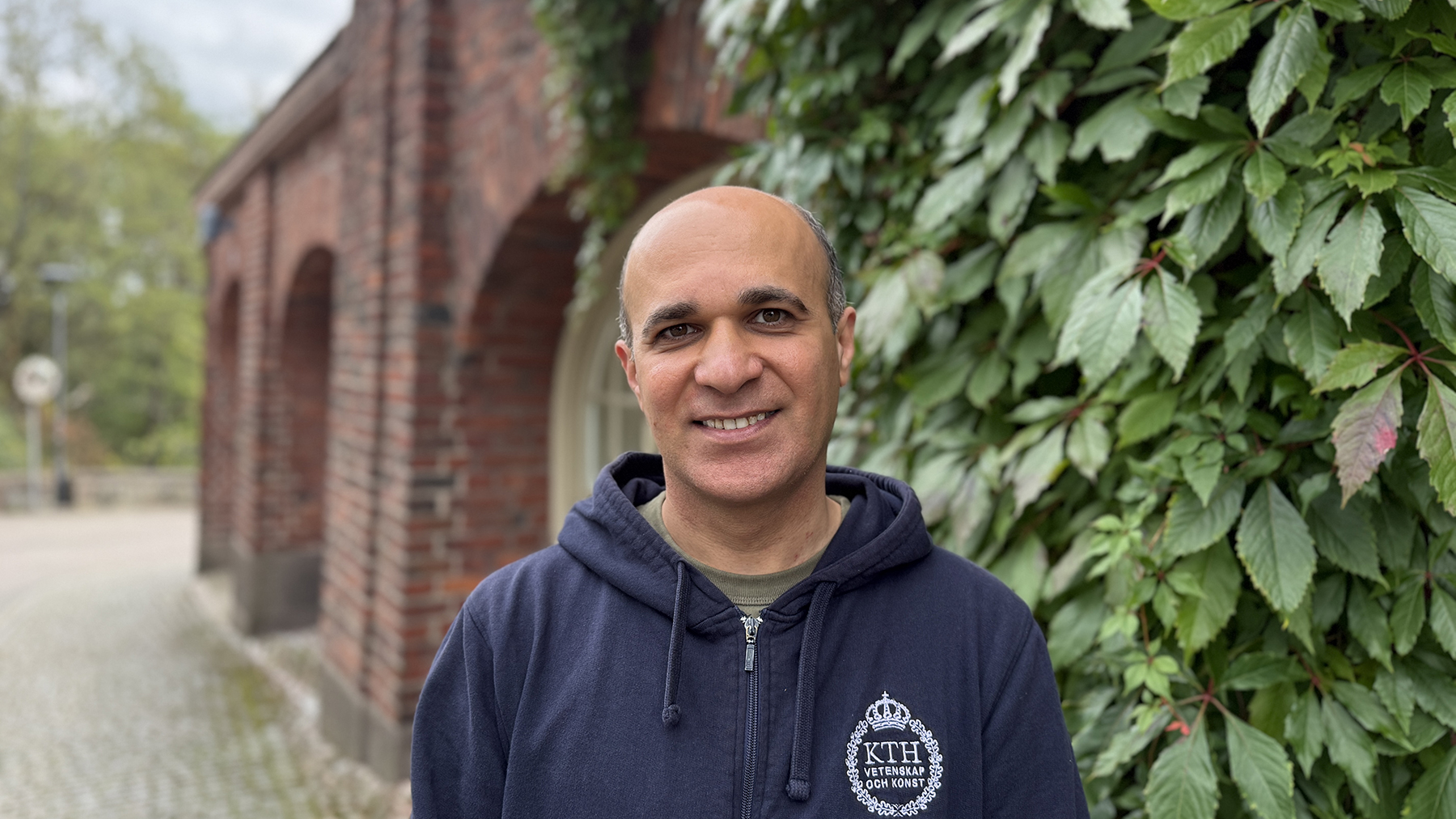
Can smarter hull design make high-speed boats more sustainable? Abbas Dashtimanesh's docent research focuses on reducing energy consumption and emissions from small craft operating in the Baltic Sea region.
Millions of recreational boats operate across the Baltic Sea region every year. While each vessel may be small, their combined impact in terms of emissions, noise, and energy use can be significant, especially in coastal areas where marine ecosystems are most sensitive.
"Small high-speed craft should not be ignored simply because each individual boat is small," says Dashtimanesh.
Exploring smarter hull designs
In his docent research, Abbas Dashtimanesh investigates how advanced hull design can contribute to more sustainable marine transportation. By studying stepped planing hulls, he aims to better understand how hydrodynamic resistance can be reduced, leading to lower energy consumption, fewer emissions, and improved overall performance.
A more sustainable future for coastal transport
The research is particularly relevant for the future of coastal and archipelago transport. High-speed craft are used for everything from passenger transport and tourism to rescue operations and public services. Smarter hydrodynamic design could help make these vessels more energy efficient while reducing their impact on sensitive coastal environments.
From simulations to real-world applications
Using towing-tank experiments, CFD simulations, and mathematical models, Dashtimanesh is developing knowledge and tools that can help designers create safer and more sustainable high-speed craft.
"The goal is not only to make boats faster, but to make them require less power, produce fewer emissions, operate more safely in coastal waters, and support a more sustainable boating culture," he adds
Read more about Dashtimanesh's docent lecture: Green Cruising of High-Speed Small Craft in the Baltic Sea Region.
Text and photo: Jelina Khoo