


CTR Day 2026
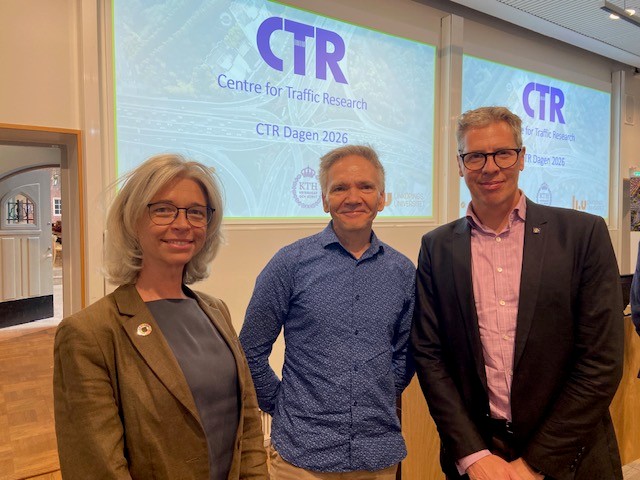
On the 16th of June, researchers, industry professionals and policymakers gathered at KTH for CTR Day 2026, an afternoon dedicated to exploring the latest developments in transport systems. The event, hosted at Salongen on the KTH campus, provided a dynamic platform for sharing cutting-edge research, real-world applications, and future perspectives in mobility and traffic management.
Presentations
Keynote: Drive Sweden (pdf 3.1 MB)
Traffic Management and Traffic Control (pdf 6.4 MB)
Analysis of Multimodal Travel and Electrification (pdf 9.0 MB)
Opening and keynote: a decade of Drive Sweden
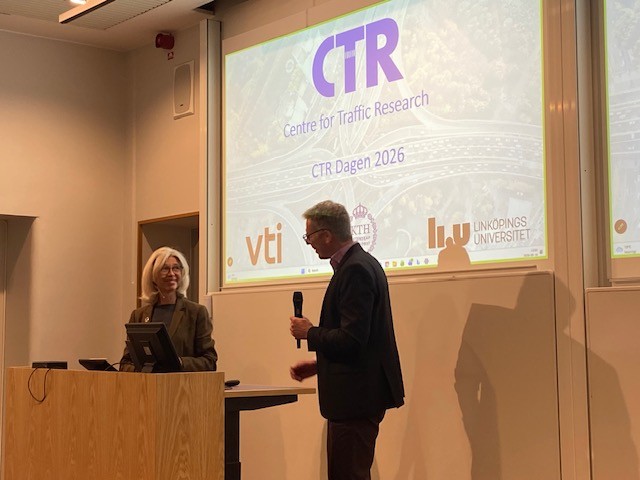
The event opened with welcome remarks by CTR Director Wilco Burghout, setting the stage for an afternoon of knowledge exchange and collaboration.
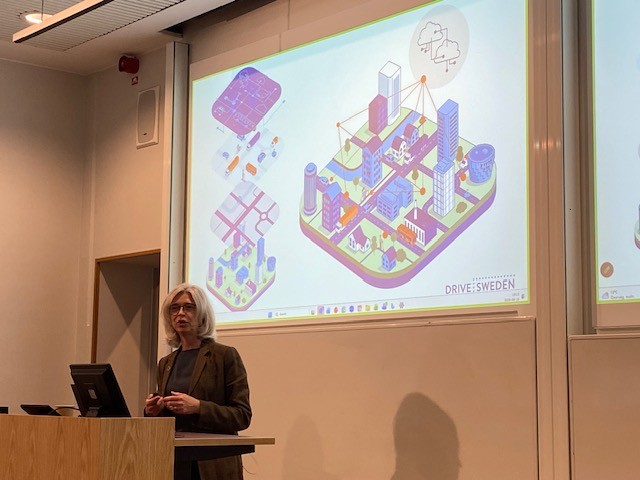
A keynote by Malin Broqvist Andersson from Drive Sweden followed, reflecting on ten years of the strategic innovation programme. The presentation addressed a central question: what is required for digitalisation to truly create value in the transport system? Drawing on long-term experiences, the keynote highlighted both progress and remaining challenges in implementing digital solutions at scale.
Advancing traffic management and control
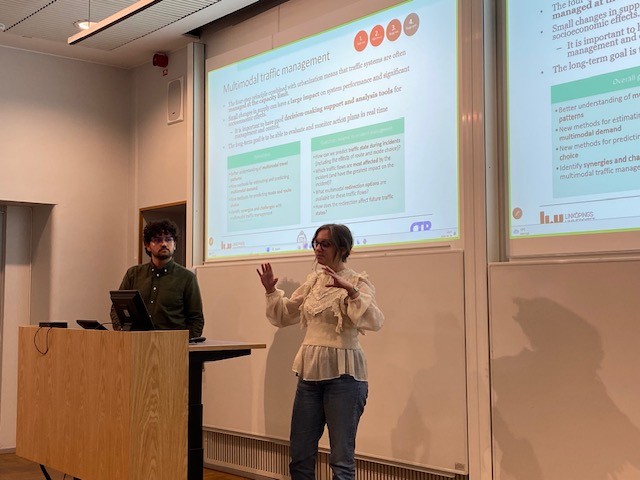
The first session focused on Traffic Management and Traffic Control, where several ongoing research projects demonstrated how data-driven methods and digital tools are reshaping the field.
Key topics included:
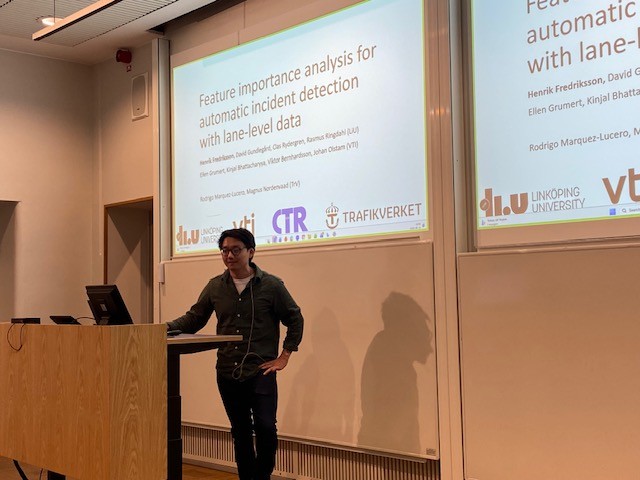
- Automatic incident detection using lane-level traffic data
- Multimodal analysis of traffic disruptions
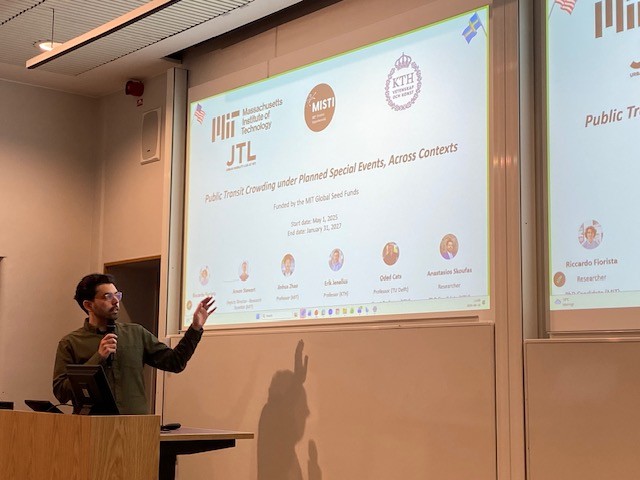
- The impact of large events, such as sports games, on public transport systems
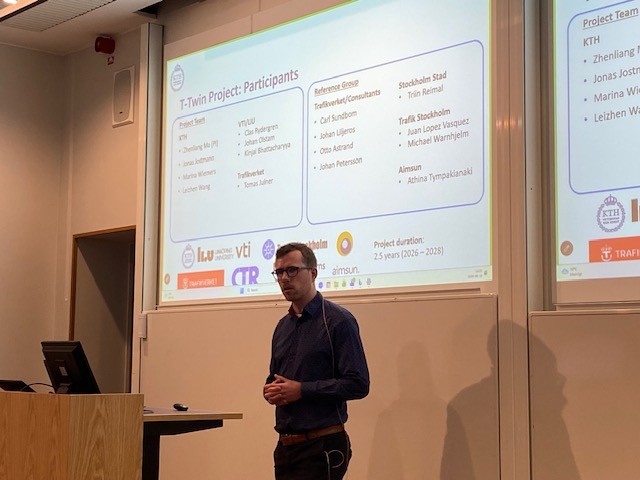
- Development of digital twins for traffic control
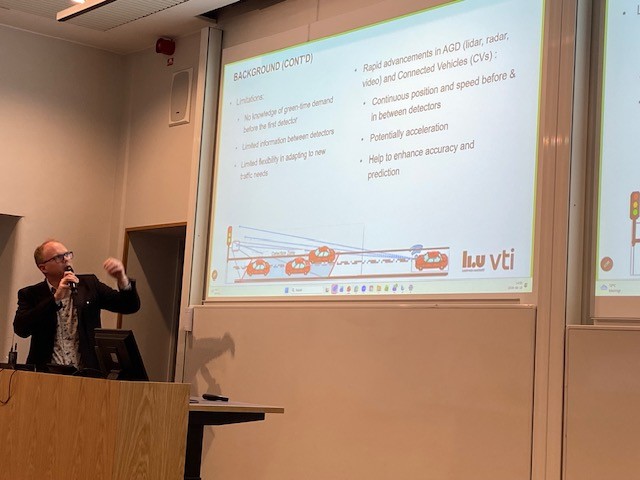
- Innovations in traffic signal control using connected vehicle data
Together, these presentations illustrated how increasingly granular data and advanced modelling techniques can improve system performance, resilience, and safety across transport networks.
Multimodal travel and electrification in focus
Following a networking break, the programme continued with a second session dedicated to Analysis of Multimodal Travel and Electrification.
This session showcased a wide range of research addressing both current mobility patterns and future transitions, including:
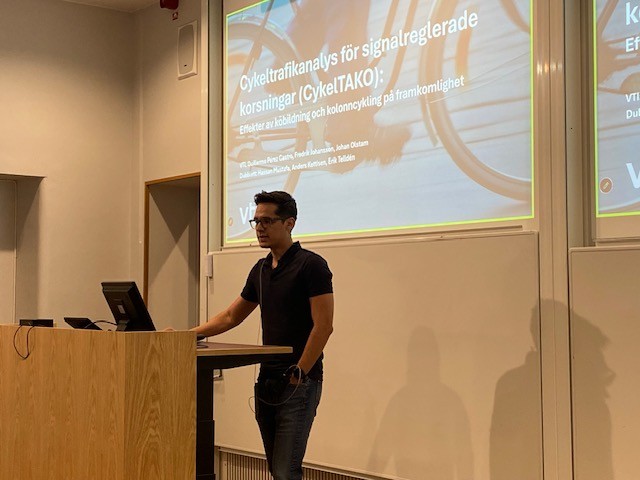
- Cycling behaviour and its impact on traffic flow in signalised intersections
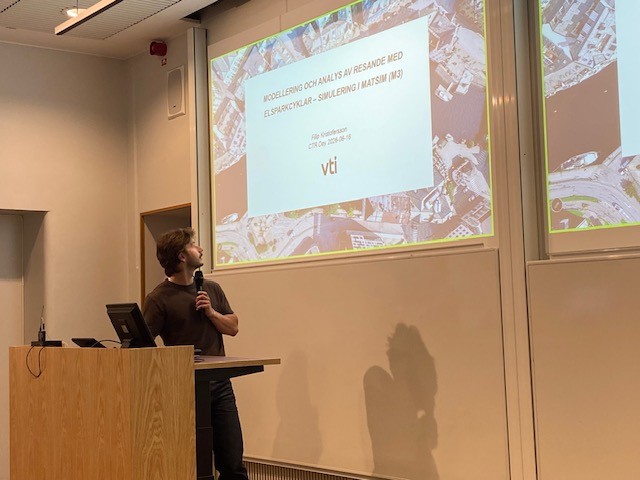
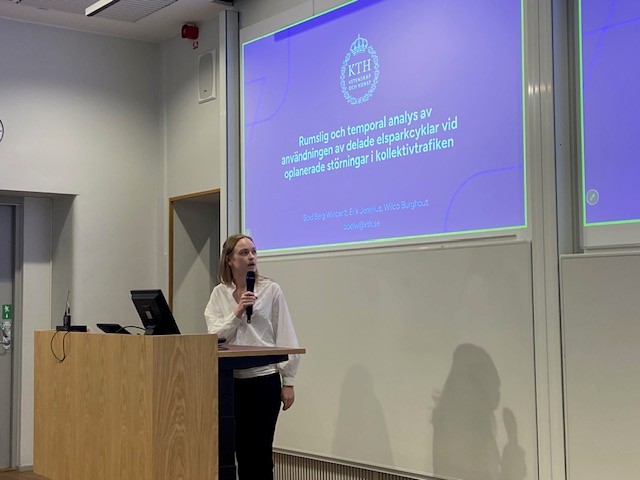
- Modelling of micromobility, such as e-scooters
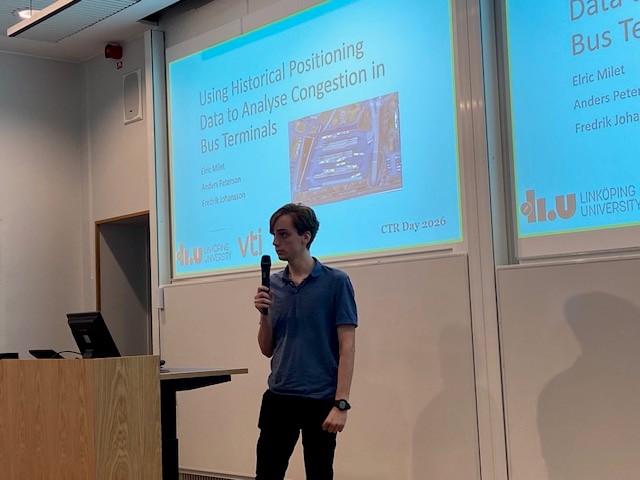
- Data-driven analysis of congestion in transport hubs
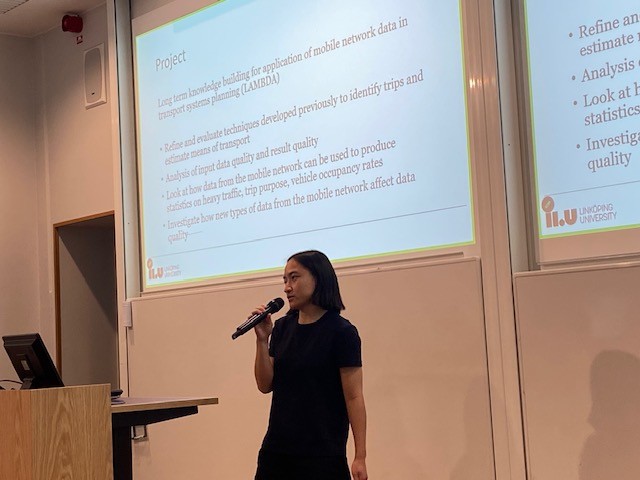
- Insights into mobility patterns based on mobile network data
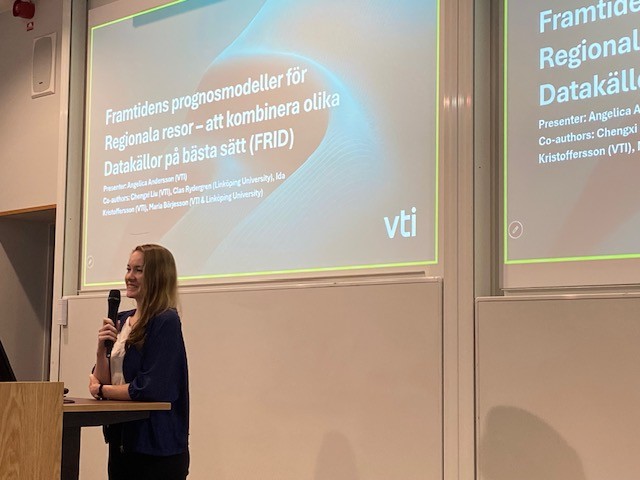
- Development of improved regional travel demand models
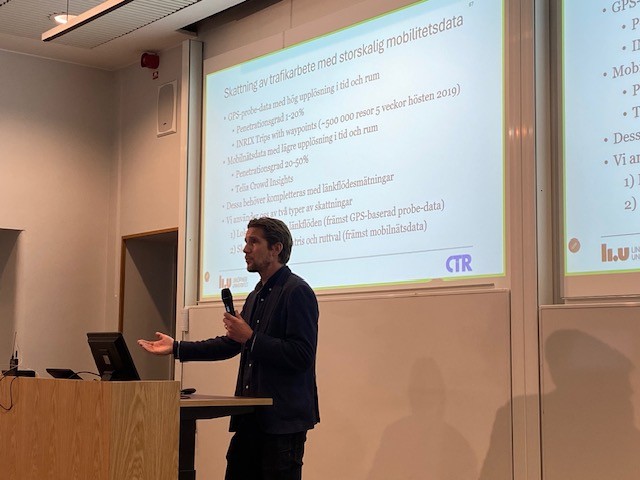
- Methods for estimating traffic work using large datasets
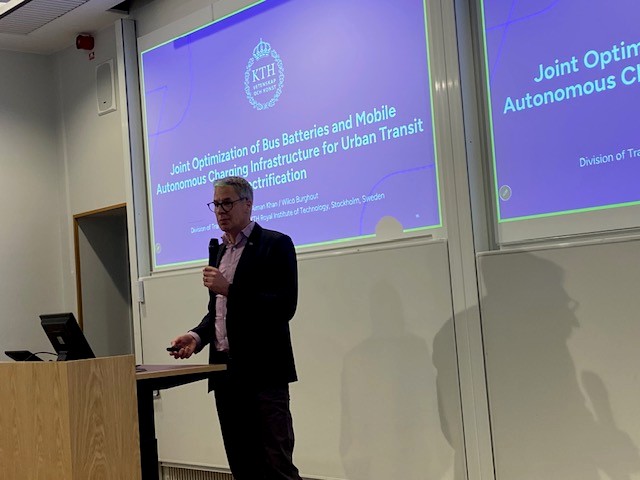
- Optimization strategies for charging electric bus fleets
The session highlighted the increasing importance of integrating multiple data sources and transport modes to better understand—and manage—complex urban mobility systems.
Bridging research and real-world application
A recurring theme throughout CTR Day 2026 was the strong link between academic research and practical implementation. Many presentations addressed real-world challenges faced by cities and transport authorities, emphasizing the need for scalable solutions.
The diversity of topics, from AI-driven analytics to electrification strategies, reflected the broad scope of current transport research. At the same time, the event underscored the importance of collaboration between academia, industry, and public stakeholders to accelerate innovation.
A platform for exchange and collaboration
The CTR Day once again demonstrated its value as a meeting point for the transport research community. By bringing together experts from different disciplines, the event fostered dialogue, knowledge sharing, and new connections.
As the transport sector continues to evolve—driven by digitalisation, sustainability goals, and changing mobility patterns—forums like CTR Day play a key role in shaping future solutions.
The 2026 edition concluded with strong engagement and a clear message: advancing transport systems requires both cutting-edge research and active collaboration across sectors.