Students working on a prototype in a makerspace at KTH.
KTH's makerspaces are places for students to create, invent and experiment. Each space is equipped with tools like 3D printers, soldering equipment and power tools for making things and working on prototypes, so that you can turn your ideas and innovations into reality. The spaces are located all over KTH's campuses.
Find KTH's makerspaces
Find information on all makerspaces at KTH: locations, available equipment, and how to access.
KTH is investing in makerspaces and is building a new makerspace at KTH Library, opening spring 2027. KTH Central Makerspace will be accessible to all students at KTH. Here you'll find both basic tools and advanced equipment to realize your ideas. More information will be available shortly.
A makerspace is an open and inclusive physical space where experimental learning, hands-on design, prototyping, testing and exploration can happen. It forms a flexible workspace with tools, equipment, materials, and human support.
At KTH’s makerspaces you can access equipment such as 3D printers, laser cutters, CNC machines and advanced sewing machines, as well as tools for woodworking, soldering and metalworking.
Many makerspaces are open to students to access in their own free time. They are also frequently used in project courses, as an important tool for practical learning. Researchers such as doctoral students also use makerspaces in their research.
At KTH's makerspaces, you can:
Experiment with different materials.
Prototype your ideas.
Explore digital technologies.
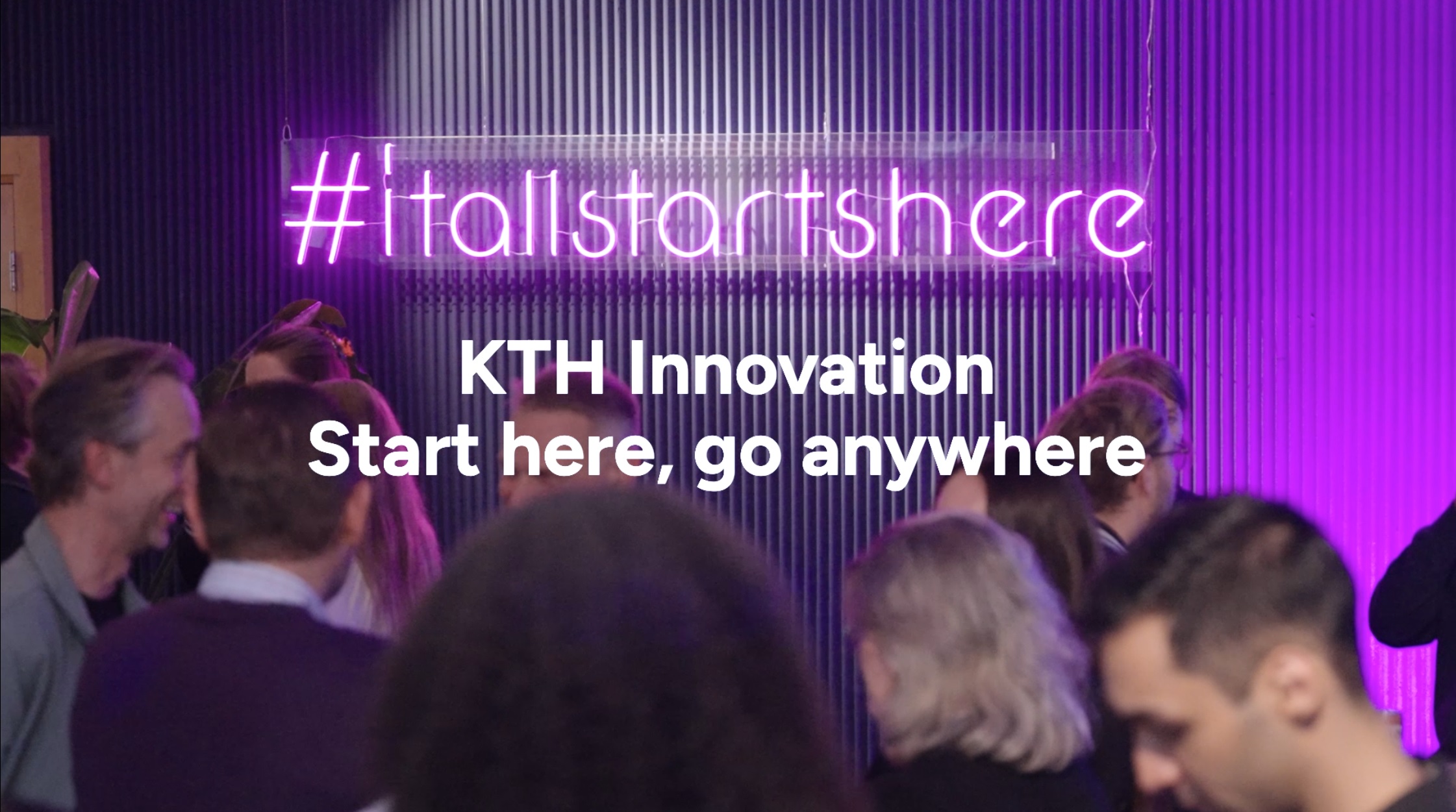
Explore entrepreneurship at KTH Innovation
KTH Innovation is a startup hub and launchpad for students who want to build the companies of the future. It's a great next step for the ideas and prototypes you develop at a makerspace. At KTH Innovation you get free, qualified support to test your ideas, validate your market, build your team, develop your first product, and launch your startup.
The Maker movement, also called Maker culture, is a global movement that encourages people to create, build, and experiment with technology, electronics, mechanics, programming, and design. When linked to engineering education, the goal becomes to make learning more practical, creative and entrepreneurial. Some examples of what makerspaces provide are:
Practical learning – Connect theory to hands-on experiments.
Interdisciplinary collaboration – Mechanics, electronics, IT and design meet.
Entrepreneurship and innovation – Ideas can be tested quickly and cheaply.
Creativity and design thinking – Focus on problem solving, iteration and user perspective.
Motivation and ownership – Students run their own projects, not just course assignments.