
- Grunderna för generativ artificiell intelligens, AI (historiska, teoretiska, konceptuella och praktiska).
- Vanliga tillämpningar av generativ AI (inklusive trender).
- Applikationsprogrammeringsgränssnitt för generativ AI.
- Kreativitet och generativ AI (synsätt på kreativitet, konst och konstnärligt arbete, samt relaterade tillämpningar av generativ AI).
- Generativ produktion inom medier, generativ design och konst.
- Utbildning och generativ AI (utmaningar, möjligheter och risker).
- Etiska perspektiv på användande av generativ AI (exempelvis värderingar, självständighet och ägandeskap).
- Jämställdhets-, mångfalds- och likavillkorsperspektiv och problemställningar för generativ AI (exempelvis genuspartiskhet).
- Framtiden för generativ AI (den utveckling vi kan förvänta oss).
DM2586 Generativ AI för medieteknik och interaktionsdesign 7,5 hp
Denna kurs är under avveckling.
Avvecklingsbeslut:
Kursplanen gäller från och med VT 2026 enligt fakultetsnämndsbeslut: HS-2025-2817.
Beslutsdatum: 2026-05-19
Kursen ges sista gången VT 2026 . Sista möjlighet till examination i kursen ges VT 2028.
Kontakta examinator för att bli examinerad efter att kursen getts för sista gången.
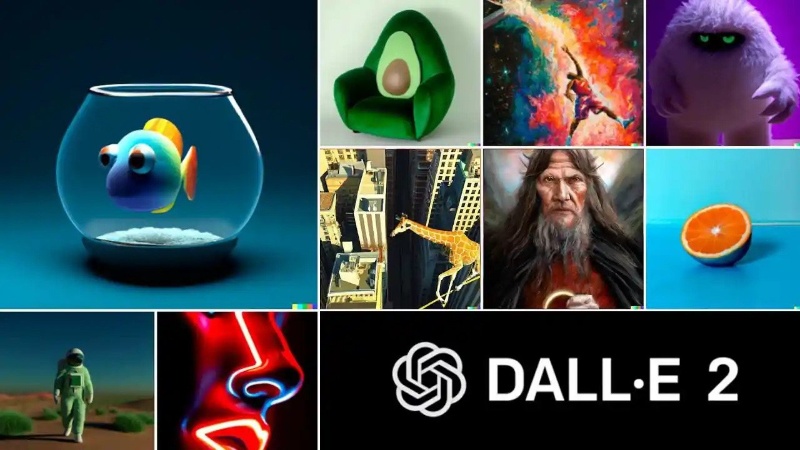
Lär dig att använda AI för att skapa text, bilder, musik och video. Gör en djupdykning i generativ AI med den här onlinekursen. Du kommer att lära dig grunderna i generativ AI och bli medveten om dess begränsningar. Du kommer också att kunna skapa innehåll och analysera AI:s roll för hållbarhet och mångfald.
Information per kursomgång
Kursomgångar saknas för aktuella eller kommande terminer.
Kursplan som PDF
Notera: all information från kursplanen visas i tillgängligt format på denna sida.
Kursplan DM2586 (VT 2026–)Rubriker med innehåll från kursplan DM2586 (VT 2026–) är markerade med en asterisk ( )
Innehåll och lärandemål
Kursinnehåll
Lärandemål
Efter godkänd kurs ska studenten kunna
- beskriva de fundamentala teoretiska och konceptuella grunderna för generativ AI
- beskriva hur generativ AI har utvecklats historiskt
- beskriva applikationsrymden för generativ AI
- analysera och beskriva möjligheter och begränsningar med att skapa texter och annat innehåll med generativ AI
- använda generativ AI för att skapa innehåll som texter, bilder, tal, musik och video
- använda applikationsprogrammeringsgränssnitt för generativ AI
- analysera möjligheterna kring hur generativ AI skulle kunna stödja kreativitet
- analysera etiska utmaningar och risker med generativ AI som exempelvis ägandeskap och självständighet relaterade till digitalt innehåll som delvis eller helt genererats med AI
- analysera och diskutera möjligheter med generativ AI i relation till hållbarhet
- bedöma och diskutera frågor kring jämställdhet, mångfald och lika villkor relaterade till generativ AI
i syfte att kunna använda generativ AI för medieteknik och interaktionsdesign ur mänskliga, etiska och hållbara perspektiv.
Kurslitteratur och förberedelser
Särskild behörighet
- Kunskaper och färdigheter i programmering, 6 poäng, motsvarande slutförd kurs DD100N/DD1310/DD1318.
- Kunskaper i sannolikhetsteori och statistik, 6 poäng, motsvarande slutförd kurs SF1919.
- Kunskaper i algebra och geometri, 7,5 poäng, motsvarande slutförd kurs SF1624.
- Kunskaper i maskininlärning eller artificiell intelligens, 6 poäng, motsvarande slutförd kurs DM1590, DD1420/DD2421 eller DD2380.
- Gymnasiekursen Engelska B/6.
Kurslitteratur
Du hittar information om kurslitteratur antingen i kursomgångens kurs-PM eller i kursomgångens kursrum i Canvas.
Examination och slutförande
Betygsskala
P, F
Examination
- LIT1 - Litteraturuppgift, 2,5 hp, betygsskala: P, F
- PRO1 - Projektarbete, 5,0 hp, betygsskala: P, F
Examinator beslutar, baserat på rekommendation från KTH:s handläggare av stöd till studenter med funktionsnedsättning, om eventuell anpassad examination för studenter med dokumenterad, varaktig funktionsnedsättning.
Examinator får medge annan examinationsform vid omexamination av enstaka studenter.
När kurs inte längre ges har student möjlighet att examineras under ytterligare två läsår.
Examinator
Etiskt förhållningssätt
- Vid grupparbete har alla i gruppen ansvar för gruppens arbete.
- Vid examination ska varje student ärligt redovisa hjälp som erhållits och källor som använts.
- Vid muntlig examination ska varje student kunna redogöra för hela uppgiften och hela lösningen.
Ytterligare information
Kursrum i Canvas
Registrerade studenter hittar information för genomförande av kursen i kursrummet i Canvas. En länk till kursrummet finns under fliken Studier i Personliga menyn vid kursstart.
Ges av
Huvudområde
Datalogi och datateknik
Utbildningsnivå
Avancerad nivå
Övergångsbestämmelser
Kursplanen gäller från och med VT 2026 enligt fakultetsnämndsbeslut: HS-2025-2817.
Beslutsdatum: 2026-05-19
Kontakta examinator för att bli examinerad efter att kursen getts för sista gången.