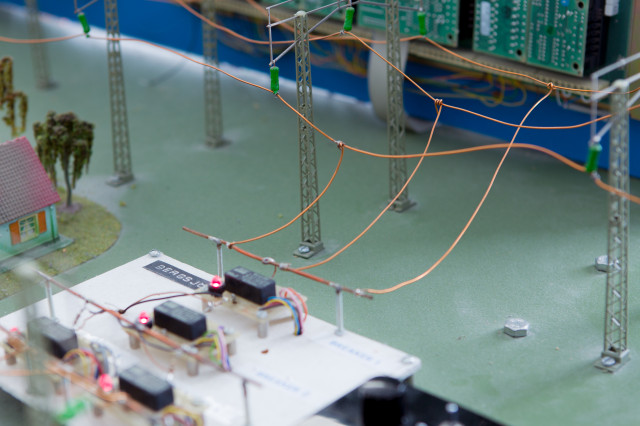
The majority of the work is project work in a small group of 2-4 students, dealing with:
- project planning
- control design
- modeling and simulation
- implementation of real-time control systems
- validation and test
- communication, documentation and demonstration
There might also be a number of compulsory workshops/tutorials, for example on the development tools that are used in the course.
After passing the course, the student should be able to
• work effectively in a small project group
• systematically design, implement, test and demonstrate a prototype control system that meets given specifications
• use appropriate technical tools and methods and use newly acquired knowledge and skills when necessary
• document and communicate results in written and oral presentations
in order to
• gain practical knowledge and experience of project work in the design and implementation of control systems
• deepen their previously acquired knowledge in control engineering by solving a problem on a laboratory system
• gain experience of project work and technical communication.