
- sönderläggning av fälten och Maxwells ekvationer i isotropa material
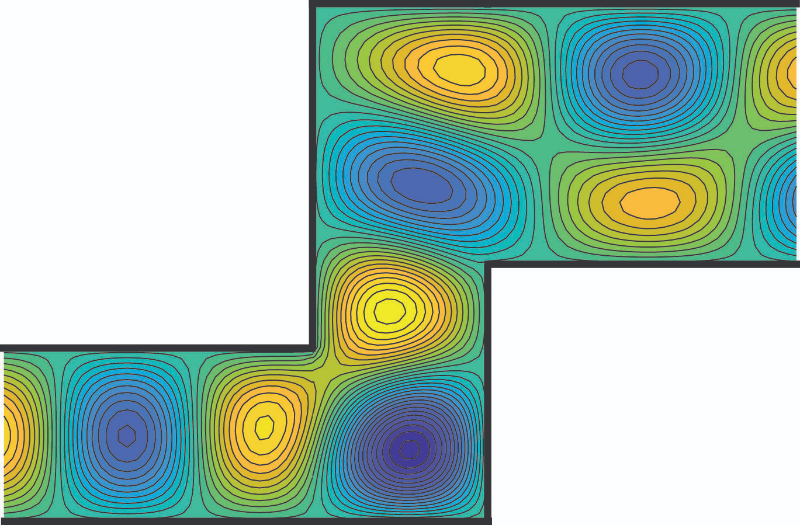
- analys av propagerande och icke-propagerande TM-, TE- & TEM-moder i metalliska hålrumsvågledare
- hålrumsvågledare med rektangulära och cirkulära tvärsnitt
- tillämpning av modortogonalitet vid excitation från källor samt vid energitransport
- modanpassningsmetoden för att analysera spridning vid diskontinuiteter
- analys av dämpning och koppling mellan vågledarmoder
- analys av resonanskaviteter, ortogonalitetssamband, förluster och bandbredd
- plana dielektriska vågledare och optiska fibrer
- analys av kvasi-TEM-moderna i flerledarsystem.
FEI3301 Vågledarmetoder 5,0 hp
Information per kursomgång
Kursomgångar saknas för aktuella eller kommande terminer.
Kursplan som PDF
Notera: all information från kursplanen visas i tillgängligt format på denna sida.
Kursplan FEI3301 (VT 2020–)Rubriker med innehåll från kursplan FEI3301 (VT 2020–) är markerade med en asterisk ( )
Innehåll och lärandemål
Kursinnehåll
Lärandemål
Efter godkänd kurs ska studenten kunna
- lösa delar av problem från merparten av kursinnehållet
i syfte att kunna använda de elektromagnetiska lagarna i kombination med matematiska metoder för att lösa elektromagnetiska fältproblem.
Kurslitteratur och förberedelser
Särskild behörighet
Ingen information tillagd
Kurslitteratur
Uppgift om kurslitteratur meddelas i kurs-PM.
Examination och slutförande
Betygsskala
P, F
Examination
- EXA1 - Examination, 5,0 hp, betygsskala: P, F
Examinator beslutar, baserat på rekommendation från KTH:s handläggare av stöd till studenter med funktionsnedsättning, om eventuell anpassad examination för studenter med dokumenterad, varaktig funktionsnedsättning.
Examinator får medge annan examinationsform vid omexamination av enstaka studenter.
När kurs inte längre ges har student möjlighet att examineras under ytterligare två läsår.
Hemuppgifter och projektuppgifter.
Övriga krav för slutbetyg
Godkänd på alla hemuppgifter. Godkänd muntlig presentation av en hemuppgift.
Examinator
Etiskt förhållningssätt
- Vid grupparbete har alla i gruppen ansvar för gruppens arbete.
- Vid examination ska varje student ärligt redovisa hjälp som erhållits och källor som använts.
- Vid muntlig examination ska varje student kunna redogöra för hela uppgiften och hela lösningen.
Ytterligare information
Kursrum i Canvas
Registrerade studenter hittar information för genomförande av kursen i kursrummet i Canvas. En länk till kursrummet finns under fliken Studier i Personliga menyn vid kursstart.
Ges av
Huvudområde
Denna kurs tillhör inget huvudområde.
Utbildningsnivå
Forskarnivå