
Se kurs-PM.
EI1320 Teoretisk elektroteknik 9,0 hp
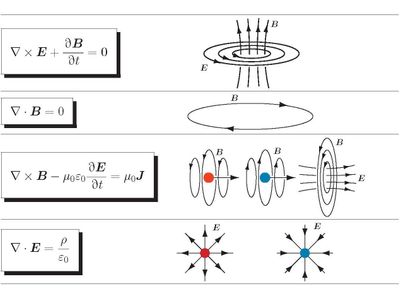
Klassisk elektromagnetisk fältteori, i form av sambanden mellan elektromagnetiska fält, laddningar och strömmar.
Information per kursomgång
Information för HT 2026 CTFYS,CTMAT programstuderande
- Studielokalisering
KTH Campus
- Varaktighet
- 2026-08-24 - 2027-01-11
- Perioder
HT 2026: P2 (3 hp), P1 (6 hp)
- Studietakt
33%
- Anmälningskod
10914
- Undervisningsform
Normal Dagtid
- Undervisningsspråk
Svenska
- Kurs-PM
- Antal platser
Min: 1
- Målgrupp
- Obligatorisk för Civilingenjörsutbildning i teknisk fysik (CTFYS).
- Planerade schemamoduler
- [object Object]
- Schema
Kontakt
Kursplan som PDF
Notera: all information från kursplanen visas i tillgängligt format på denna sida.
Kursplan EI1320 (VT 2026–)Rubriker med innehåll från kursplan EI1320 (VT 2026–) är markerade med en asterisk ( )
Innehåll och lärandemål
Kursupplägg
Kursinnehåll
- elektriska storheter
- Coulombs och Gauss lagar
- ledande och dielektriska material
- energi och kraftverkan i elektriska system
- kapacitanser
- speglingsmetoder och randvärdesproblem
- magnetiska storheter
- Biot-Savarts och Ampères lagar
- magnetiska material
- elektromagnetisk induktion
- magnetisk energi och kraftverkan
- induktanser
- Maxwells ekvationer
- konserveringslagar för energi och rörelsemängd
- komplex representation av elektromagnetiska storheter
- plana vågors utbredning i material och spridning mot gränsytor
- vågutbredning i ledningar och vågledare
- strålning från rörliga laddningar och enkla antenner
- transformation av elektromagnetiska storheter mellan inertialsystem.
Lärandemål
Efter godkänd kurs ska studenten kunna
- lösa delar av problem från merparten av kursinnehållet genom att ställa upp en beräkningsmodell, välja lämplig metod, göra vederbörliga approximationer och rimlighetsbedöma resultatet
i syfte att kunna använda de elektromagnetiska lagarna för att lösa enkla elektromagnetiska fältproblem analytiskt.
För att få högre betyg ska studenten kunna
- med progression i såväl fullständighet som bredd, lösa problem från hela kursinnehållet.
Kurslitteratur och förberedelser
Särskild behörighet
Kunskaper i matematiska metoder inom fysiken (i synnerhet partiella differentialekvationer), 4 hp, motsvarande slutförd kurs SI1200 eller SF1693
Kunskaper i grundläggande elektromagnetism och vågrörelselära på högskolenivå, 4 hp, motsvarande slutförd kurs SK1104/SH1017 eller slutfört moment LAB1 i SH1017
Rekommenderade förkunskaper
Kurserna från CTFYS årskurs 1 och 2 i matematik, inklusive vektoranalys och fysikens matematiska metoder; grundläggande mekanik; grundläggande elektromagnetism, vågrörelselära och elkretsanalys från kursen i klassisk fysik.
Kurslitteratur
Du hittar information om kurslitteratur antingen i kursomgångens kurs-PM eller i kursomgångens kursrum i Canvas.
Examination och slutförande
Betygsskala
A, B, C, D, E, FX, F
Examination
- TEN2 - Skriftlig tentamen, 3,0 hp, betygsskala: A, B, C, D, E, FX, F
- TEN1 - Skriftlig tentamen, 6,0 hp, betygsskala: A, B, C, D, E, FX, F
Examinator beslutar, baserat på rekommendation från KTH:s handläggare av stöd till studenter med funktionsnedsättning, om eventuell anpassad examination för studenter med dokumenterad, varaktig funktionsnedsättning.
Examinator får medge annan examinationsform vid omexamination av enstaka studenter.
När kurs inte längre ges har student möjlighet att examineras under ytterligare två år.
Examinator
Etiskt förhållningssätt
- Vid grupparbete har alla i gruppen ansvar för gruppens arbete.
- Vid examination ska varje student ärligt redovisa hjälp som erhållits och källor som använts.
- Vid muntlig examination ska varje student kunna redogöra för hela uppgiften och hela lösningen.
Ytterligare information
Kursrum i Canvas
Registrerade studenter hittar information för genomförande av kursen i kursrummet i Canvas. En länk till kursrummet finns under fliken Studier i Personliga menyn vid kursstart.
Ges av
Huvudområde
Teknik
Utbildningsnivå
Grundnivå
Övrig information
I denna kurs tillämpas EECS hederskodex, se:
http://www.kth.se/eecs/utbildning/hederskodex.