
Kursen består av sex föreläsningar, en datorövning med fokus på träning i att använda programvaran samt en datorövning som utgör en del av examinationen. Därefter genomför studenterna en kortare uppgift och lämnar in en rapport.
MH1040 Materialval 1,5 hp
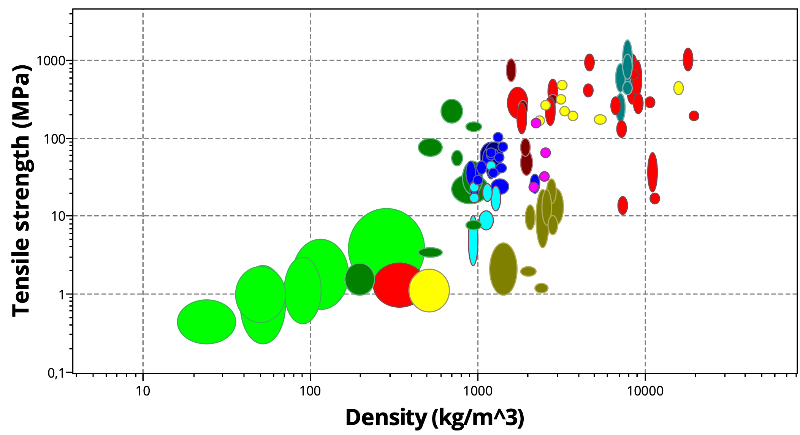
I denna kurs får du lära dig processen för att välja material för en given tillämpning med hjälp av en systematisk metodik baserad på materialegenskaper. Kursen omfattar en översikt av de vanligaste och viktigaste materialegenskaperna, härledning av så kallade meritindex för att identifiera det mest lämpliga materialet samt användning av programvaran Ansys EduPack för detta ändamål.
Information per kursomgång
Information för VT 2027 Start 2027-01-12 programstuderande
- Studielokalisering
KTH Campus
- Varaktighet
- 2027-01-12 - 2027-03-12
- Perioder
VT 2027: P3 (1.5 hp)
- Studietakt
10%
- Anmälningskod
10940
- Undervisningsform
Normal Dagtid
- Undervisningsspråk
Svenska
- Kurs-PM
- Kurs-PM är inte publicerat
- Antal platser
Min: 1
- Målgrupp
- Sökbar för TINTE-MCF2.
- Planerade schemamoduler
- [object Object]
- Schema
Kontakt
Kursplan som PDF
Notera: all information från kursplanen visas i tillgängligt format på denna sida.
Kursplan MH1040 (VT 2026–)Rubriker med innehåll från kursplan MH1040 (VT 2026–) är markerade med en asterisk ( )
Innehåll och lärandemål
Kursupplägg
Kursinnehåll
Kursen behandlar:
- Systematisk materialvalsmetodik med stöd av materialvalsverktyg.
- Att det i produktframtagningsprocess formuleras krav som är kopplade till produktens funktion, vilka i sin tur kopplas till materialens egenskaper.
- Att materialvalet har en stor betydelse ur ett hållbarhetsperspektiv. I kursen ingår även användandet av metoder för att analysera miljöpåverkan vid materialval över produkters livscykel.
Lärandemål
Efter godkänd kurs ska studenten kunna:
1. Självständigt motivera och använda metodik för materialval vid utformning av strukturer och produkter baserat på livscykelperspektiv tillsammans med hållbarhets- och återvinningsaspekt.
Kurslitteratur och förberedelser
Särskild behörighet
Grundläggande behörighet.
Kurslitteratur
Du hittar information om kurslitteratur antingen i kursomgångens kurs-PM eller i kursomgångens kursrum i Canvas.
Examination och slutförande
Betygsskala
P, F
Examination
- INL1 - Inlämningsuppgift, 1,5 hp, betygsskala: P, F
Examinator beslutar, baserat på rekommendation från KTH:s handläggare av stöd till studenter med funktionsnedsättning, om eventuell anpassad examination för studenter med dokumenterad, varaktig funktionsnedsättning.
Examinator får medge annan examinationsform vid omexamination av enstaka studenter.
När kurs inte längre ges har student möjlighet att examineras under ytterligare två läsår.
Examinator
Etiskt förhållningssätt
- Vid grupparbete har alla i gruppen ansvar för gruppens arbete.
- Vid examination ska varje student ärligt redovisa hjälp som erhållits och källor som använts.
- Vid muntlig examination ska varje student kunna redogöra för hela uppgiften och hela lösningen.
Ytterligare information
Kursrum i Canvas
Registrerade studenter hittar information för genomförande av kursen i kursrummet i Canvas. En länk till kursrummet finns under fliken Studier i Personliga menyn vid kursstart.
Ges av
Huvudområde
Teknik
Utbildningsnivå
Grundnivå