
- Hållbarhetsrelaterade förändringsprocesser.
- Ökad delaktighet, mångfald och perspektivtagande.
- Systemteori och systemtänkande.
- Komplexitet och ledarskap.
- Hur man konstruktivt och medskapande kan leda förändringsprocesser.
DM2800 Ledning av komplexa förändringsprocesser 7,5 hp
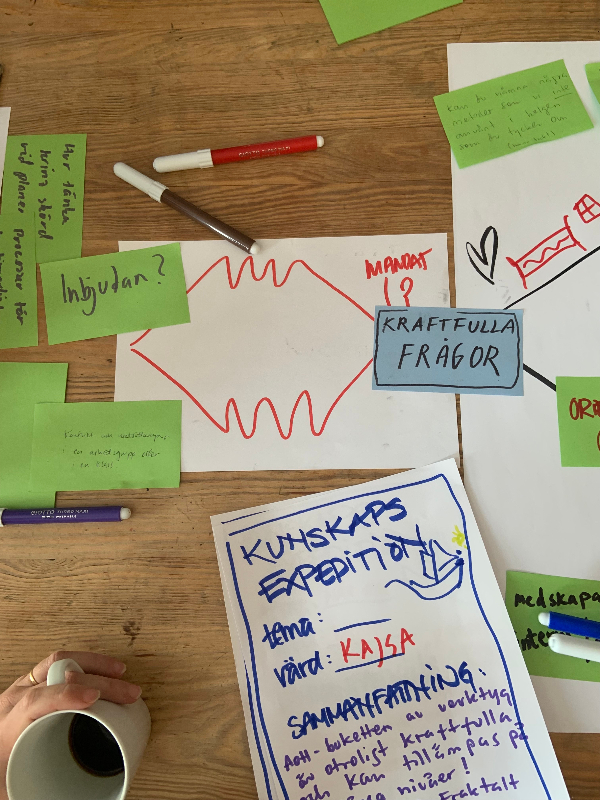
Kursen syftar till att lära studenter att förstå, förhålla sig till och leda hållbarhetsrelaterade förändringsprocesser i en värld som präglas av ökad komplexitet och osäkerhet. Kursen ger både teoretisk kunskap och praktiska färdigheter.
Information per kursomgång
Information för HT 2026 Start 2026-08-24 programstuderande
- Studielokalisering
KTH Campus
- Varaktighet
- 2026-08-24 - 2026-10-23
- Perioder
HT 2026: P1 (7.5 hp)
- Studietakt
50%
- Anmälningskod
11160
- Undervisningsform
Normal Dagtid
- Undervisningsspråk
Engelska
- Kurs-PM
- Kurs-PM är inte publicerat
- Antal platser
1 - 40
- Målgrupp
- Sökbar för alla program från årskurs 3 och för studenter antagna på ett masterprogram under förutsättning att kursen kan ingå i programmet.
- Planerade schemamoduler
- [object Object]
- Schema
Kontakt
Kursplan som PDF
Notera: all information från kursplanen visas i tillgängligt format på denna sida.
Kursplan DM2800 (VT 2026–HT 2026)Rubriker med innehåll från kursplan DM2800 (VT 2026–HT 2026) är markerade med en asterisk ( )
Innehåll och lärandemål
Kursinnehåll
Lärandemål
Efter godkänd kurs ska studenten kunna
- redogöra för teorier och analytiska verktyg rörande komplexitet och ledarskap, systemtänkande och hur man leder förändringsprocesser
- identifiera komplexa hållbarhetsrelaterade problem och även med begränsad information planera för medskapande processer
- analysera begränsningar hos traditionella ingenjörsmetoder vid hantering av komplexa hållbarhetsrelaterade problem
- leda grupper i komplexa situationer, på ett kritiskt, medskapande och kreativt sätt, både enskilt samt i samarbete med andra
- utveckla praktiken kring samskapande processer
i syfte att
- kunna förstå, förhålla sig till och leda hållbarhetsrelaterade förändringsprocesser i en värld som präglas av ökad komplexitet och osäkerhet samt ta ansvar för sitt eget lärande.
Kurslitteratur och förberedelser
Särskild behörighet
Färdigheter i vetenskapligt tänkande och skrivande genom något av följande:
- uttagen examen på högskolenivå om minst 180 hp
- slutfört eller påbörjat examensarbete syftande till examen på högskolenivå om minst 180 hp
- slutförd kurs i forskningsmetodik/vetenskapsteori, 6 hp.
Kurslitteratur
Du hittar information om kurslitteratur antingen i kursomgångens kurs-PM eller i kursomgångens kursrum i Canvas.
Examination och slutförande
Betygsskala
P, F
Examination
- DELA - Aktivt deltagande, 2,0 hp, betygsskala: P, F
- DELB - Aktivt deltagande, 3,0 hp, betygsskala: P, F
- INL1 - Inlämningsuppgift, 2,5 hp, betygsskala: P, F
Examinator beslutar, baserat på rekommendation från KTH:s handläggare av stöd till studenter med funktionsnedsättning, om eventuell anpassad examination för studenter med dokumenterad, varaktig funktionsnedsättning.
Examinator får medge annan examinationsform vid omexamination av enstaka studenter.
När kurs inte längre ges har student möjlighet att examineras under ytterligare två läsår.
Övriga krav för slutbetyg
Obligatorisk närvaro (75%) på de moment som berör samskapande processer. Dessa moment utgörs av 6 halvdagar à 4 timmar, som fördelas på tre veckor. Dessa moment är förlagda på KTH campus och fysisk närvaro krävs.
Examinator
Etiskt förhållningssätt
- Vid grupparbete har alla i gruppen ansvar för gruppens arbete.
- Vid examination ska varje student ärligt redovisa hjälp som erhållits och källor som använts.
- Vid muntlig examination ska varje student kunna redogöra för hela uppgiften och hela lösningen.
Ytterligare information
Kursrum i Canvas
Registrerade studenter hittar information för genomförande av kursen i kursrummet i Canvas. En länk till kursrummet finns under fliken Studier i Personliga menyn vid kursstart.
Ges av
Huvudområde
Denna kurs tillhör inget huvudområde.
Utbildningsnivå
Avancerad nivå