

Gruppwebben som samarbetsyta stängs 31 december 2026. Du som administratör behöver nu exportera gruppens innehåll och/eller radera gruppen.
Observera: Från och med den 1 oktober 2026 kommer delar av gruppwebben som inte längre används, successivt att stängas ned, exempelvis gruppwebbar som redan har flyttats eller varit inaktiva under en längre tid.
Mer information hittar du i nyheten: Gruppwebben och Social stänger hösten 2026. Stöd och instruktioner för hur du exporterar en gruppwebb finns i: Gruppwebben som samarbetsyta stängs hösten 2026.
Lecture #6: Innovative solutions for climate change mitigation
Dear Students,there are three fundamental ways to respond to climate change:
- Option 1: To do nothing! We can choose to keep our “business as usual” model and wait and see what happens next. At any future stage, the decision can always be taken to adapt or mitigate.
- Option 2: To accept it! We can choose to adapt. Adaptation is the process of adjustment in response to actual or expected impacts of climate change.
- Option 3: To fight it! We can choose to mitigate, which is any human intervention to reduce the sources or enhance the sinks of greenhouse gases.
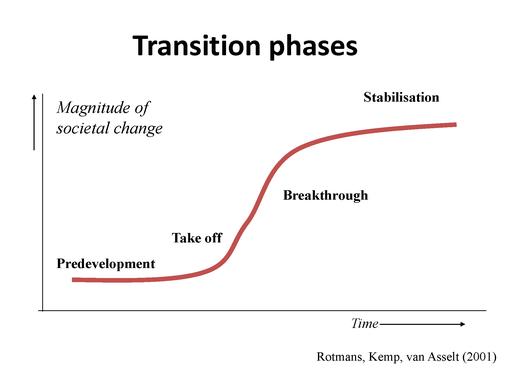
If I could stress a key message from our discussion, it would be that in order to foster a transition from "where we are" to "where we would like to be", is important to have:
- Baseline assumptions
- Defined stabilization level
- Speed of stabilization
- Burden-sharing regime
- Supporting mechanisms
As mentioned during the lecture, I would like to recommend reading the chapter "Do Artifacts Have Politics?"
Reference note: Winner, L. (1986). The whale and the reactor: a search for limits in an age of high technology. Chicago, University of Chicago Press, 19-39.
That's all folks! See you all on our next class.
Alessandro
(Course Assistant)