
Seminar: How Climate Shapes Populations - A Data Analyst’s View on the Climate-Population Connection
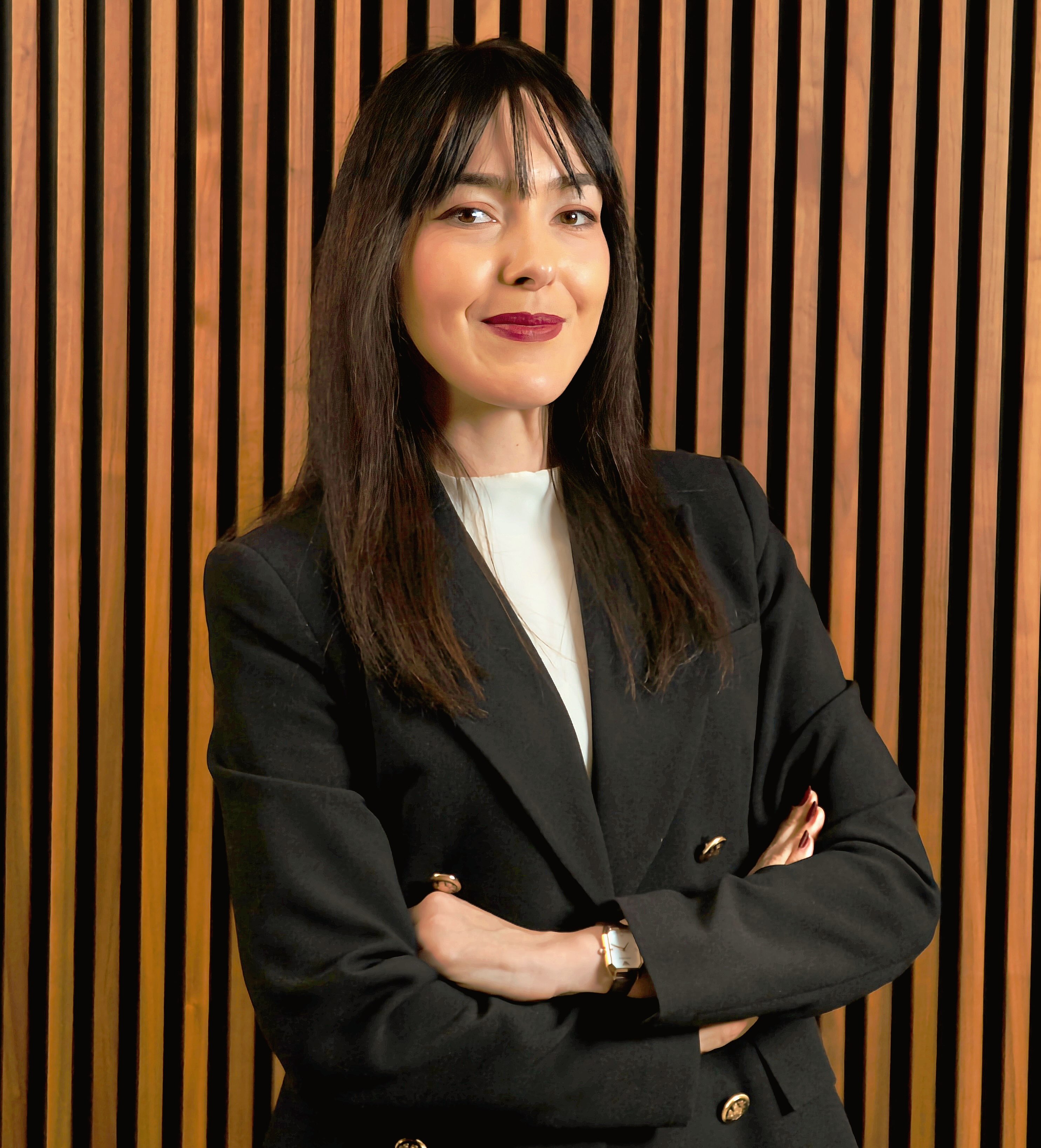
As climate change continues to affect the globe, its consequences on society become increasingly apparent. A key part of societal structures is population dynamics, fertility, mortality, and migration. Join us for a guest seminar with Milica Maričić, whose research focuses on environmental impacts on population dynamics.
Time: Tue 2025-10-21 12.00 - 13.00
Location: KTH Climate Action Centre, Teknikringen 43
Population and environment are deeply interconnected, and their mutual sustainability is an issue of growing importance in contemporary research. Serbia, characterised by long-term depopulation, aging, low fertility rates, and emigration, is simultaneously facing severe environmental challenges, including climate change, extreme weather conditions, and air pollution. In this seminar, we will present two case studies. The first investigates the impact of low temperatures and cold spells on mortality in the Northern region of Serbia, specifically in Vojvodina. In contrast, the second study explores the effect of hot days on birth rates in Serbia at both national and district levels. The methodological approaches demonstrated in these studies offer a transferable framework for analysing environmental impacts on demographic processes across different spatial and temporal contexts. Together, these insights reveal how environmental stressors shape demographic outcomes and highlight why understanding these links is essential for anticipating (Serbia’s) future population landscape.
Event details:
The event is aimed at faculty and students at KTH, and everyone who registers in advance will receive vegan wraps, which will be served at 12:00. The talk itself begins at 12:10.
Date: 12:00-13:00 on the 21st of October
Place: The Climate Action Centre, Teknikringen 43
To join us, please fill in our Registration Form
About the presenter:
Milica Maričić, PhD, is an Associate Professor at the University of Belgrade, Faculty of Organizational Sciences, Department of Operational Research and Statistics. She holds a PhD in computational statistics. Her fields of research are composite indicators, rankings, structural equation modelling, and applied statistics. For her research on composite indicators, in 2018, she was awarded the Young Scholars for Better Statistics Award from OECD and IAOS. She has published more than 18 Web of Science-indexed papers and is cited more than 600 times in the Google Scholar database. She is engaged in national and international scientific projects as well as international teaching mobility programmes. She is an elected member of the ISI (International Statistical Institute) and a member of ISI special interest group related to women in statistics. Her interest in the analytical approach to quantifying the effects of climate change on population dynamics began when she joined the national project "Population Dynamics under Environmental Challenges in Serbia".