Research activities within the department of Computational Science and Technology (CST) are particularly focused on:
Understanding and modelling physical and biological systems including the information processing and learning capabilities of the human brain.
Computational techniques including high-performance algorithms, adaptive methods, partial differential equations, networks, machine learning, and visual data analysis.
Efficient, parallel environments together with advanced visualization and interaction capabilities.
Research Groups
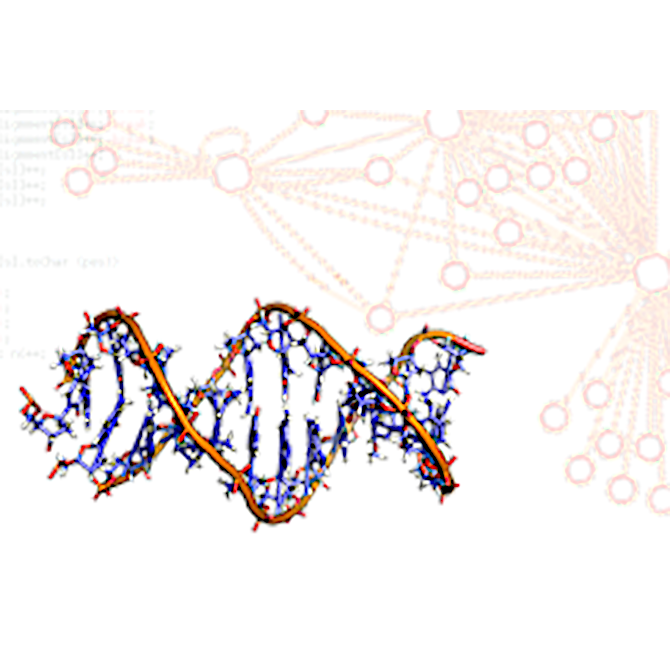
Machine Learning and Computational Biology
We are located at SciLifeLab, Sweden’s main centre for high-throughput biology, and work on computational problems in molecular biology, primarily related to evolution and genomics.
HPC plays a pivotal role in advancing scientific research, engineering, and technological innovation across diverse fields. We perform research on various aspects of HPC, including parallel programming models; parallel and distributed algorithms and applications; performance monitoring, modeling, analysis and optimization; as well as quantum computing (QC).
We design architectures, system software, and programming models for scalable and efficient parallel computing systems powered by emerging processor and memory technologies. Our research tackles the growing computational demands of scientific simulation, machine learning, quantum computing, and cloud computing.
Research projects within the group consists of Quantum Thermodynamics and heat in open quantum systems, non-equilibrium physics on the meso-scale and inverse statistical mechanics.
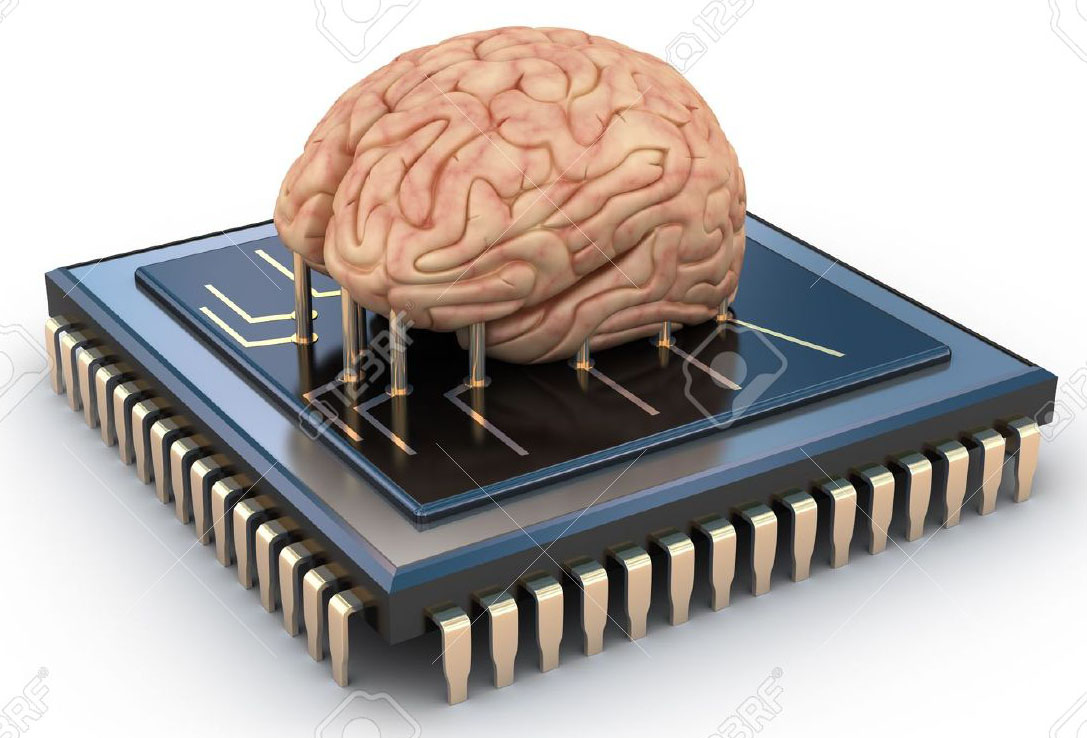
We perform research on (i) computational modelling of biological brain function and on (ii) developing theory, algorithms and software for building computer systems that can perform brain-like functions.
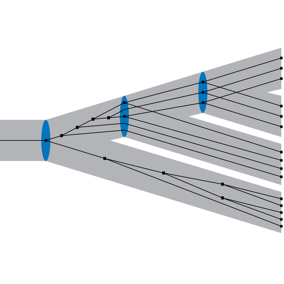
The research in numerical methods combines fundamental research in mathematics and computer science, with applied research in interdisciplinary projects across different research environments, with industry and society.
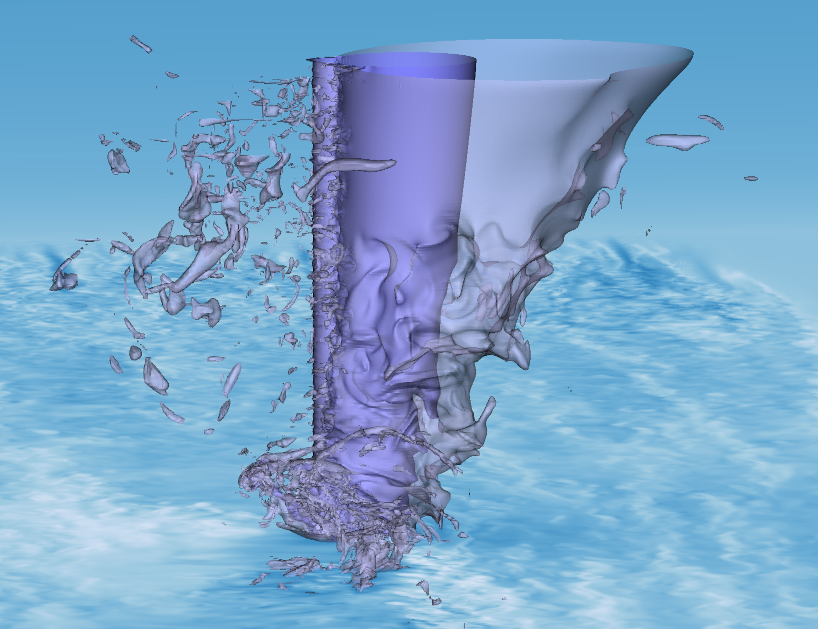
There are three subtopics in Visualization at KTH: visualization and data analysis, interactive virtual characters and computer game technologies and human-centered visualization.