
"Don't think twice, just go to dES!" - Interview with Visiting PhD Student Corrado Maria Caminiti
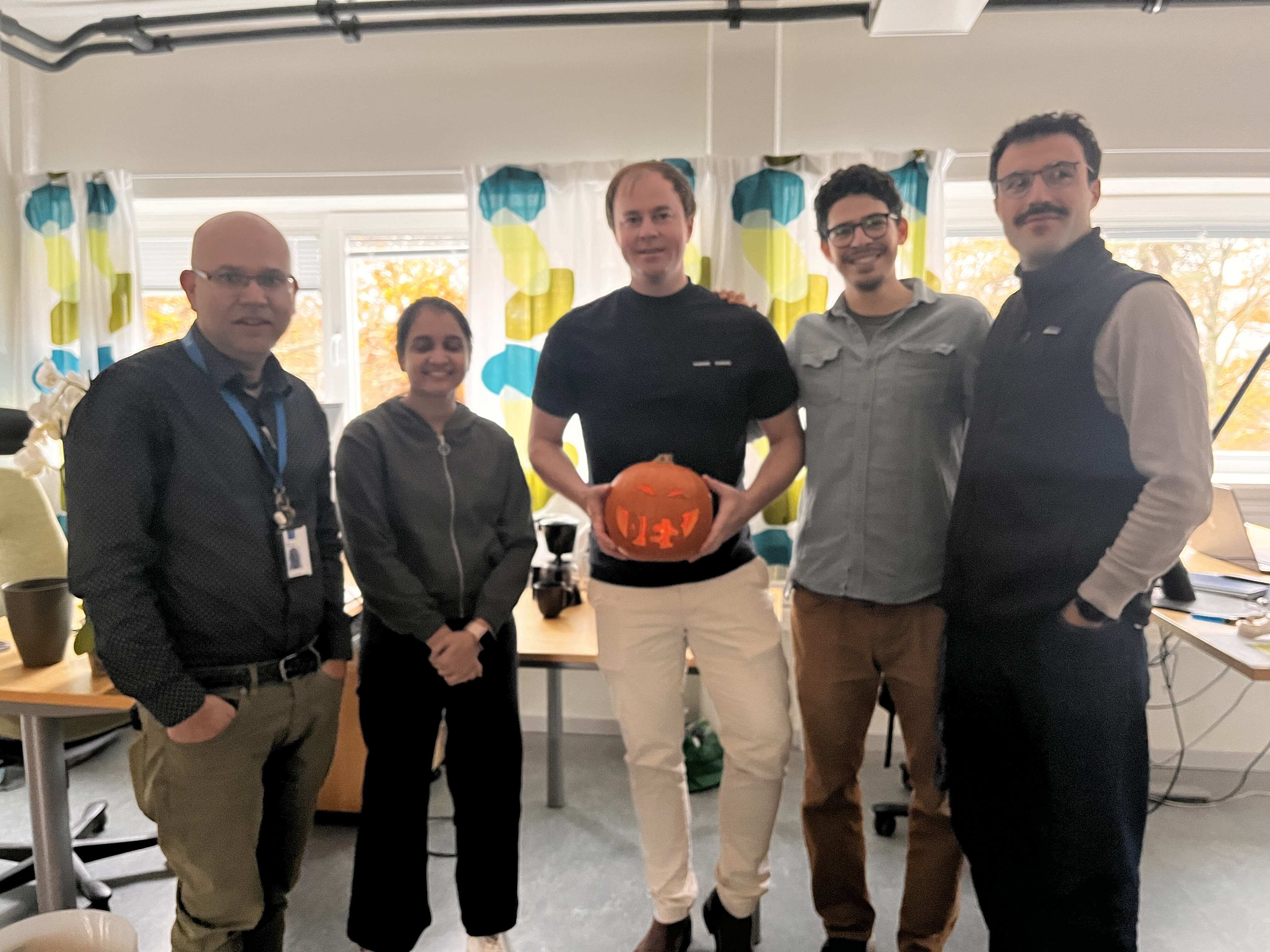
Corrado Maria Caminiti, a PhD student at Politecnico di Milano, recently finished a 3-month research visit in the Energy Systems division (dES). Having settled back in Italy, he reflects on his stay with us.
Tell us about yourself, where do you study in Italy and why did you want to do a PhD?
I have always been deeply interested in global energy challenges and their connection to geopolitics. Pursuing a PhD offered the opportunity to combine this interest with a technically demanding environment, where developing robust analytical and modelling tools is essential to address complex real-world problems.
What motivates me most is working at the intersection of technical considerations, advanced mathematical frameworks, uncertain and incomplete data, and social or political constraints. I believe that building strong quantitative skills is fundamental for tackling these multidimensional challenges.
Within this context, contributing to energy-transition planning and electrification strategies in developing countries adds both personal and ethical value to my work, making this research path even more meaningful and rewarding.
How and why did you choose dES as your host?
I chose dES as my host because it is one of the most internationally recognized research groups in Europe in the field of energy systems. Its mission, linking energy technology, innovation, and policy within a broad systems perspective, is perfectly aligned with my own research interests. I was particularly attracted by dES’s global outlook and its strong collaborations with major international organizations such as the IEA, UNDESA, UNESCAP, FAO, the World Bank, and SIDA.
Moreover, dES is home to well-established modelling frameworks like OSeMOSYS and ONSSET, which are widely acknowledged as state-of-the-art tools for energy planning and electrification analysis. Being part of a group that both advances these methodologies and contributes meaningfully to international energy-development efforts made dES an ideal and inspiring environment for my PhD.
Tell us about your PhD research and the collaboration you had with dES during your period with us.
My work focuses on electrification planning across multiple spatial and temporal scales. It ranges from optimizing asset sizing for individual off-grid communities, to developing regional MILP-based electrification masterplans with reliability constraints, up to national and multinational electrification scenarios.
During my stay in Sweden, within this broader framework, I concentrated on the OnSSET methodology: analyzing its structure and comparing it with routines I have developed. More broadly, the collaboration aimed at exploring different methodological frameworks for conducting energy-focused analyses in the context of developing countries. This has also enabled strong synergies with colleagues working on OSeMOSYS.
The final objective has been to contribute to comprehensive, wide-scope guidelines for modelers, analysts, and researchers working on energy challenges in developing countries, helping them identify and select the most appropriate tools, or families of tools, for their specific needs.
What were your first impressions of the KTH, your supervisor here, and the research team? Did you feel well integrated into the team?
KTH, with its characteristic red brick buildings and compact campus, felt welcoming from the very first day. I had the pleasure of working closely with Dr. F. Gardumi and Prof. F. Fuso Nerini, and the experience with both of them was truly enriching. Beyond the many technical insights I gained, I especially value their analytical thinking and scientific approach to problem-solving, which are skills that apply broadly and that I am eager to further develop by following their example. Their mentorship and advices have been extremely valuable.
The entire research team was warm, inclusive and supportive. Each member contributed something meaningful to my professional growth. I am returning to Italy with a broader network of highly skilled colleagues and with new friends, and I am certain that there will be many opportunities, both professional and personal, to meet again.
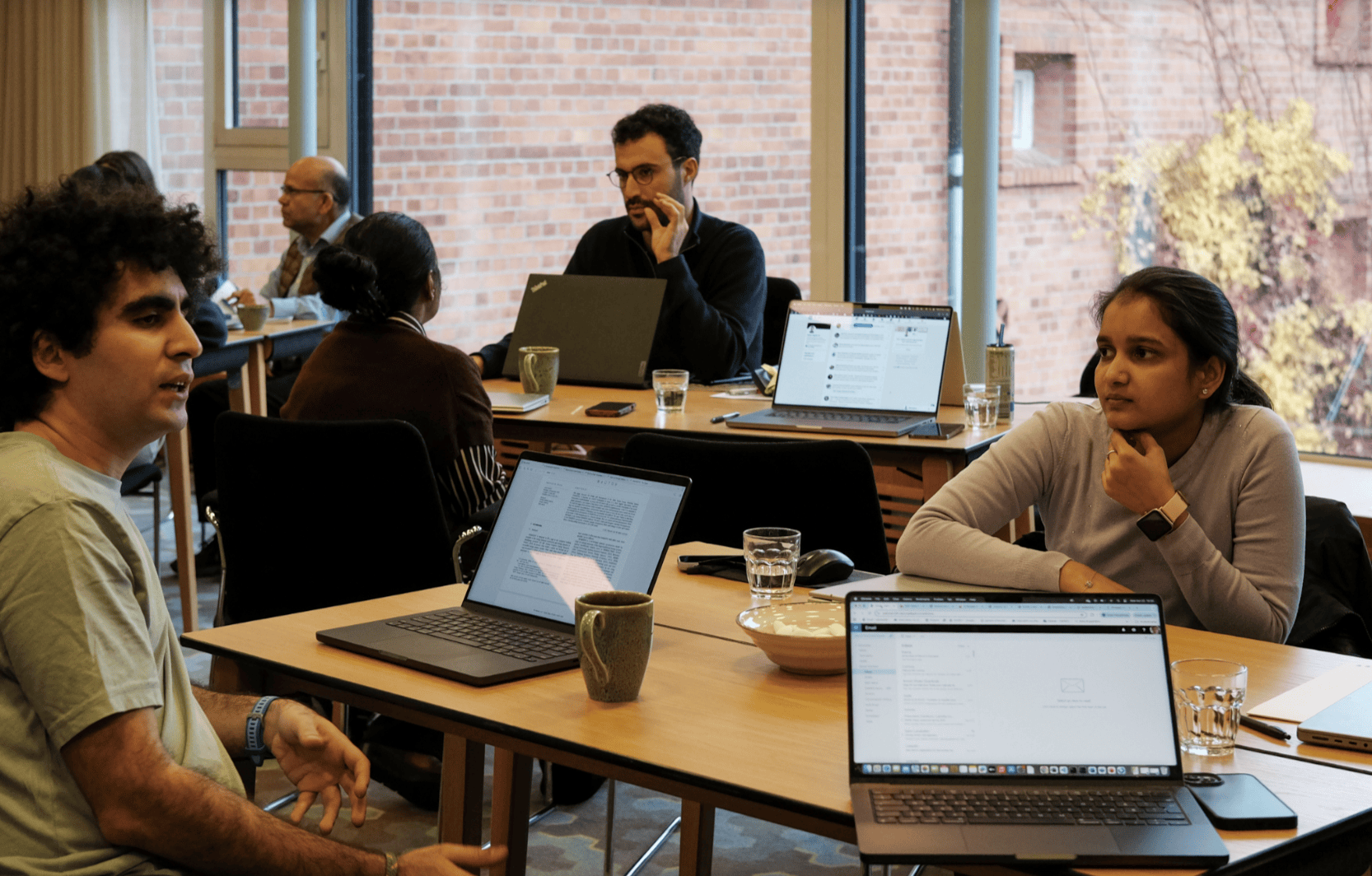
What are your plans upon returning to Italy? Do you feel that your time abroad enriched your research project and personal growth?
Living and working abroad has been an extremely valuable experience. I would highlight two key aspects. First, from a cultural perspective, it teaches you to navigate different viewpoints and cultural approaches, which broadens your understanding and adaptability. Second, from a professional standpoint, being exposed to new tools, techniques, terminology, and methodologies rapidly expands your horizons and strengthens your skill set.
Do you have any advice for future students visiting dES?
Don’t think twice, just go! Enjoy Sweden, KTH, and the dES vibes. Great coffee, interesting colleagues, and a lot of learning await, you probably won’t regret it.
Find out more about Corrado and his research through his Google Scholar profile and his LinkedIn profile .