

Research in numbers
Collaboration and partnerships
Research news
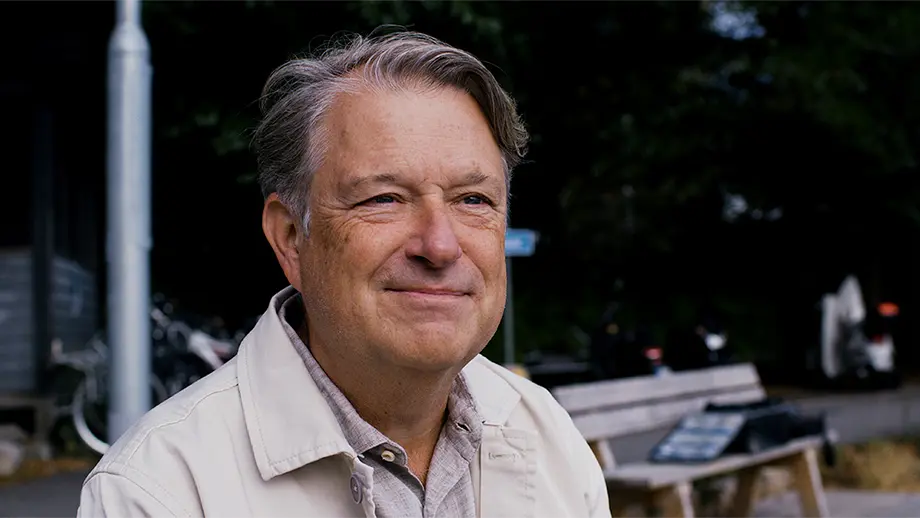
Joakim Lundeberg receives IVA's Gold Medal
Joakim Lundeberg, professor of molecular biotechnology at KTH, has been awarded the Royal Swedish Academy of Engineering Sciences’ (IVA) Gold Medal 2026 for his pioneering work in molecular biotechno...
Read the article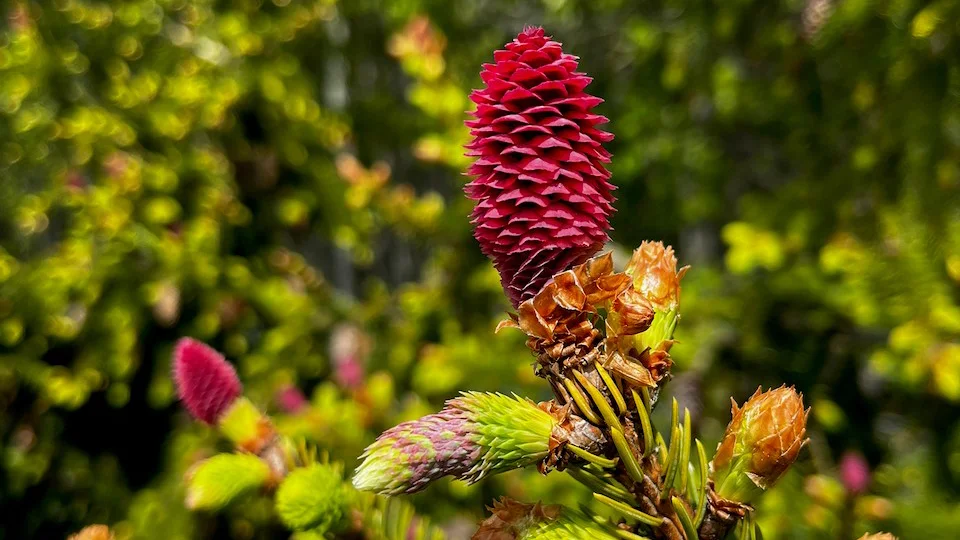
Why do spruce take decades to reproduce? A genetic study offers new clues
New techniques have enabled researchers in Sweden to begin decoding how one of Northern Europe's most important coniferous tree species switches from growing branches to producing cones – their seed-b...
Read the article
New potential for Crohn’s treatment
Researchers from KTH, Oxford and Cambridge have discovered how connective tissue cells can change and be reprogrammed in Crohn’s disease. This breakthrough could lead to new treatments for the chronic...
Read the articleKTH highlights

Collaborations and partnerships

News
- Why do spruce take decades to reproduce? A genetic study offers new clues
14 Sep 2026
- New potential for Crohn’s treatment
11 Sep 2026
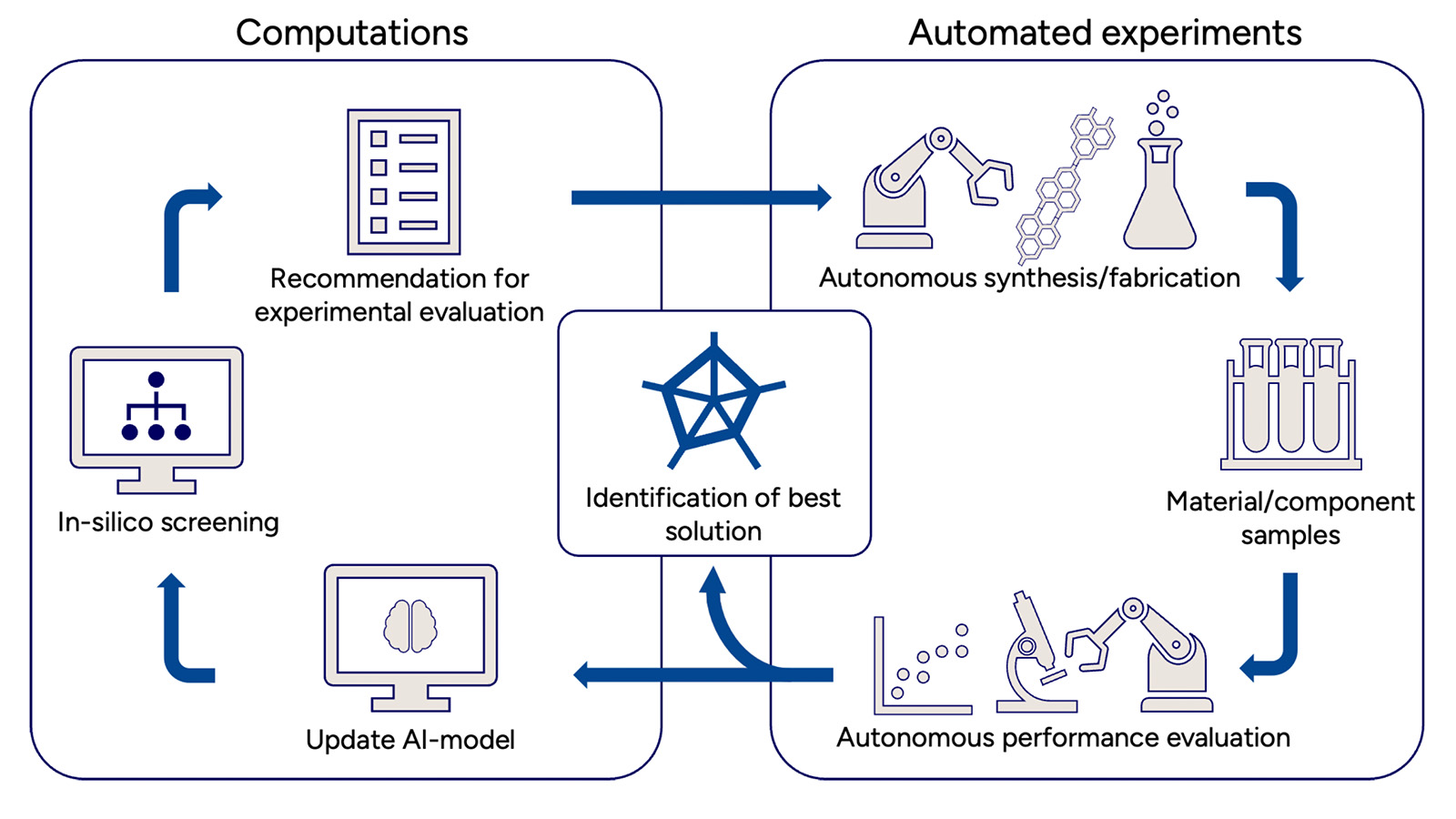
- AI – the researchers’ new colleague in the lab
8 Sep 2026
- ERC grant to teach robots a softer touch
3 Sep 2026
- KTH builds Swedish expertise in nitrocellulose
1 Sep 2026
Research focus
- Researchers identify aggressive molecular features in low-risk prostate cancer
30 Sep 2026
- New lab for building materials at the atomic scale
24 Sep 2026
- Space food: Beyond survival
21 Sep 2026
- Johan Rockberg honoured by the Novo Nordisk Foundation
9 Sep 2026
- When satellites and AI monitor the water: Who gets to shape the data?
4 Sep 2026
Calendar
-
Public defences of doctoral theses
Thursday 2026-10-01, 14:00
Location: F3 (Flodis), Lindstedtsvägen 26 & 28
Video link: https://kth-se.zoom.us/j/64100876364
Doctoral student: Naresh Balaji Ravichandran , Beräkningsvetenskap och beräkningsteknik, Computational Cognitive Brain Science (Herman's group)
2026-10-01T14:00:00.000+02:00 2026-10-01T14:00:00.000+02:00 Brain-like Representation Learning and Associative Memory (Public defences of doctoral theses) F3 (Flodis), Lindstedtsvägen 26 & 28 (KTH, Stockholm, Sweden)Brain-like Representation Learning and Associative Memory (Public defences of doctoral theses) -
Public defences of doctoral theses
Friday 2026-10-02, 09:00
Location: F3 (Flodis), Lindstedtsvägen 26 & 28
Doctoral student: Zesheng Xu , Ljus och materiens fysik, Q-PHOTON
2026-10-02T09:00:00.000+02:00 2026-10-02T09:00:00.000+02:00 Hamiltonian Engineering in Integrated Photonics (Public defences of doctoral theses) F3 (Flodis), Lindstedtsvägen 26 & 28 (KTH, Stockholm, Sweden)Hamiltonian Engineering in Integrated Photonics (Public defences of doctoral theses) -
Public defences of doctoral theses
Friday 2026-10-02, 13:00
Location: Air&Fire, Science for Life Laboratory, Tomtebodavägen 23a, Solna
Video link: https://kth-se.zoom.us/j/62893924373?pwd=0YkUJsGbZeGyL7PwrIUZ0EJq4mCDaL.1
Doctoral student: David Fernandez Bonet , Genteknologi, Science for Life Laboratory, SciLifeLab, Hoffecker Lab
2026-10-02T13:00:00.000+02:00 2026-10-02T13:00:00.000+02:00 Imaging with Interactions (Public defences of doctoral theses) Air&Fire, Science for Life Laboratory, Tomtebodavägen 23a, Solna (KTH, Stockholm, Sweden)Imaging with Interactions (Public defences of doctoral theses)