KTH Logo

Is there life on Mars?

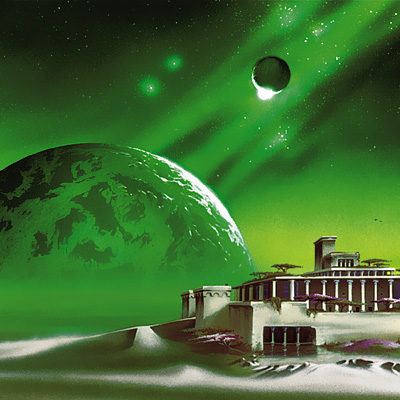
“Rising Green”. Painting in acrylic on canvas by German sci-fi artist Frank Lewecke

Riksbankens Jubileumsfond (RJ) recently granted the Divisions Sabine Höhler’s application Life on Mars: The Science and Fiction of Terraforming and the Future of Planet Earth. The project will start in the beginnig of 2018 and run for three years.

A procjet page is coming up, but in the meantime please read the applicatoin abstract for more information on this project:

The Anthropocene, the geological age of humanity, is associated with a key feature: the power of technoscientific intervention into the Earth’s environment. This transformative potential became apparent in the second half of the twentieth century when the science and the fiction of “terraforming”, of turning extreme or extraterrestrial into Earth-like environments, gained traction. Hopes of venturing into Space became as pervasive as perceptions of humans overexploiting and polluting the Earth. The popular vision of settling sustainable communities on Mars saw an upswing in the recent decade of anthropogenic global environmental
change.

This project explores the science and fiction of Mars settlement with the help of terraforming as a creation of new environments in Space as well as blueprints for the technological reconstruction of the Earth’s environment. The aim is to describe the Anthropocene not simply as an epoch that endangers the Earth but primarily as an epoch that essentially transformed the understanding of life to a minimalist principle of survival through infinite metabolic conversion and technological substitution. This understanding conjoined images of recreation and creation, of paradisiacal pasts and eco-technological futures. The question whether ‘postplanetary’ life, life that is not tied to a specific planet but transcends planetary boundaries, will be possible and desirable may become one of the most challenging questions of our future.
Toxic Bios homepage is launched!

Source: Toxic Bios

Testing a new plug in for the blog that helps me to publish information directly from homepages. Be sure to check the new Toxic Bios homepage out!

TOXICBIOS  abbreviation for Toxic Autobiographies, is a Public Environmental Humanities project based at KTH Environmental Humanities Laboratory in Stockholm and funded the by Seed Box, a Mistra-Formas Environmental Humanities Collaboratory.

Peder Roberts – new docent at the Division

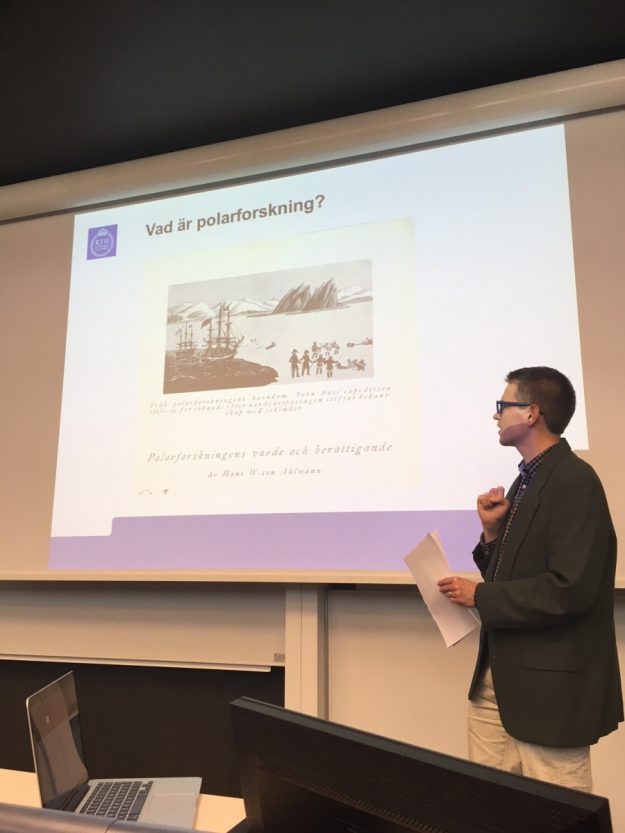
On Tuesday October 17 Peder Roberts held his docent lecture on the subject of “Polarforskningnens värde och berättigande: då och nu” (“The value of polar research: then and now”). Peder took the title from a 1932 article by the Swedish geographer Hans Ahlmann, in which Ahlmann defended polar research as a worthwhile endeavour characterised by commitment to scientific excellence and differentiated it from an earlier tradition of heroic, risky exploration.

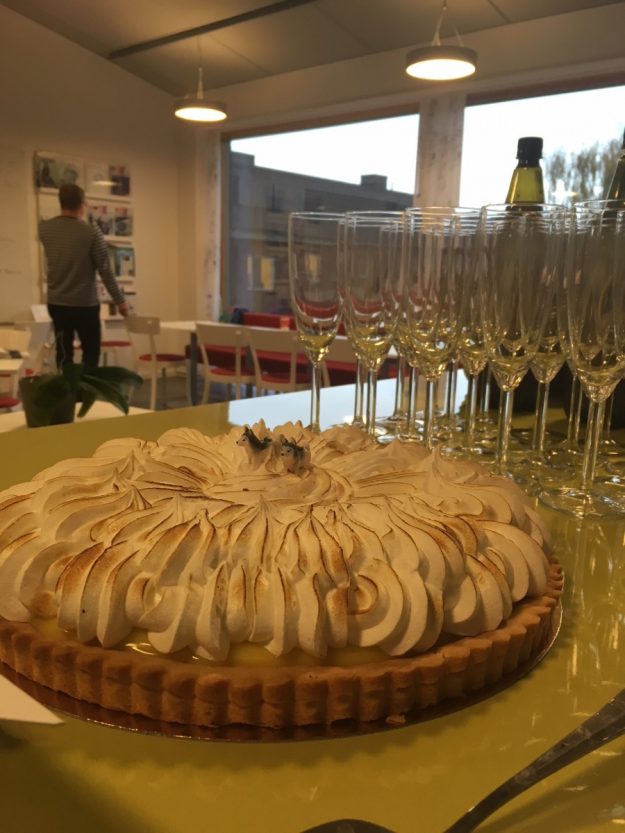
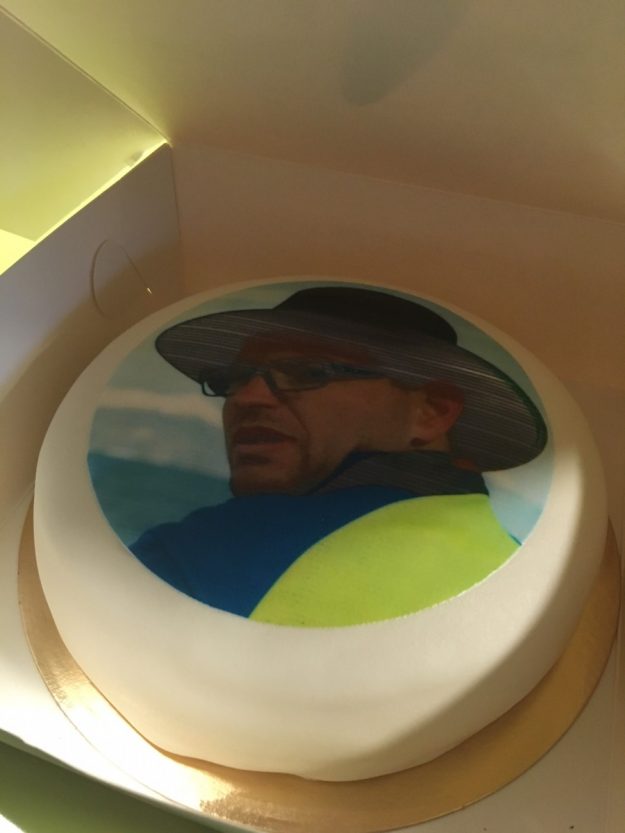
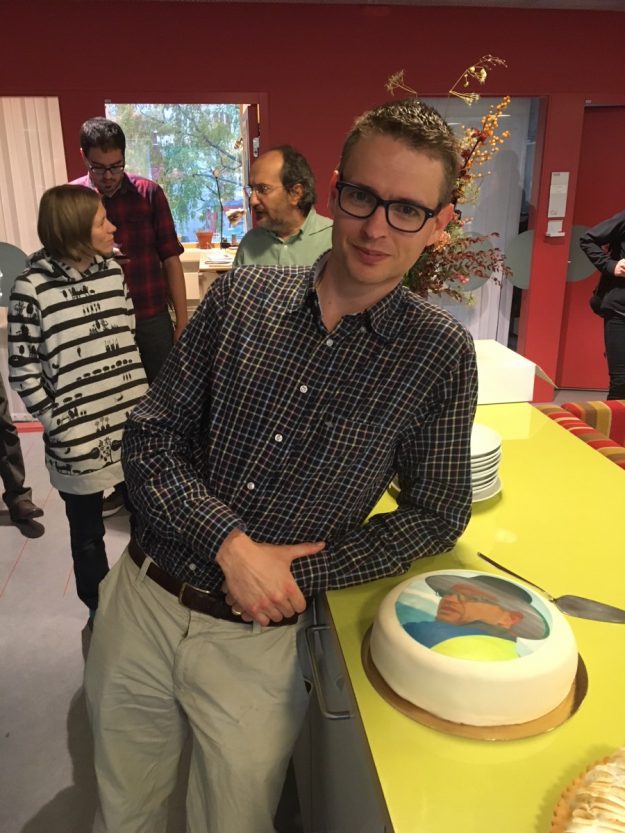
How much has changed in the present? Peder’s answer was quite a lot — particularly in matters such as treating indigenous Arctic residents as collaborators rather than research subjects — but at the same time not as much as we might think, given that polar exploration continues to be a valued marker of a nation’s level of civilisation. Sabine Höhler presented Peder with his docent certificate at which point the audience moved back to the division for some excellent fika. In a fitting tribute to the diets of great polar explorers of the past, one cake featured dogs, though fortunately not in the manner of certain expeditions of days gone by.

"I am a historian with a particular interest in the science, politics, and the polar regions during the twentieth century. My research initially focused on science, whaling, and Antarctic politics in Norway, Sweden, and Britain, an area in which I still work. More recently I have investigated the history of science and environmental and natural resource regulation in Svalbard, Greenland, and northern Sweden."
Peder Roberts, https://www.kth.se/profile/pwrobert

Cosmopolitanism from the Margins project comes to an end

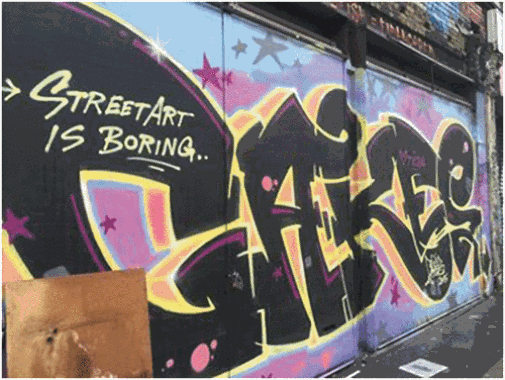
‘Street Art is Boring’. Photo: Tindra Thor © London, November 2015

The VR funded project Cosmopolitanism from the Margins, lead by Miyase Christensen and hosted by the Division, recently ended. The planned final product of the project was a guest-edited​ journal special issue “Postnormative Cosmopolitanism: Voice, Space and Politics”  for the International Communication Gazette, which can be found here: http://journals.sagepub.com/toc/gazb/79/6-7

The journal includes an article written by Miyase together with doctoral student Tindra Thor, about street art and graffiti in Stockholm and London. The article is based on two case studies and discuss how graffiti and street art provide forms of expressive cosmopolitanism in reclaiming voice and reciprocity in the city.

The purpose of the Cosmopolitanism project was to bring together humanities and social sciences perspectives (from cultural cosmopolitanism, urban studies, visual geopolitics to political economy, queer theory, mediation, etc.) to address various political, social, cultural questions.

–  Our conversations in the hallway, in the kitchen, and in gatherings outside the office; our chats over politics, life, media, Stockholm and more! during lunchtime have all been greatly inspiring throughout the life of this​ project in this international​ division, says Miyase

The project started in 2012 and ended this year. Miyase will now continue the work with the Division as project member of Arctic governance and the questions of ´fit´ in an era of globally transformative change: a critical geopolitics of regional international cooperation funded by Formas.


Why Transformative Humanities?

Welcome to the first step of the rest of this blog. Let´s kick this off with a quote from our Annual Report, which was released in June 2017:

We have called the report Transformative Humanities. This is to indicate that the humanities are undergoing major changes not just in Sweden but also in many countries in the world. The Division is very much part of these changes, and we have tried to influence them and give direction to them. These changes are also affecting us, we believe largely for the better. It is also to state that the humanities are in themselves transformative – they are part of changing the world we live in, hopefully also for the better. We are part of this transformative work and we embrace that, which is a seminal point of departure for our strategy and thinking as a Division. For us in the humanities, these are challenging times but also exciting times, when societal recognition and to some extent also support for the kind of humanities that we do seem to be on the rise.

Professor Sverker Sörlin, co-head of the Division,
Annual Report 2015 – 2016
Transformative Humanities