
KTH Innovation strengthens support for deep tech – new funding available
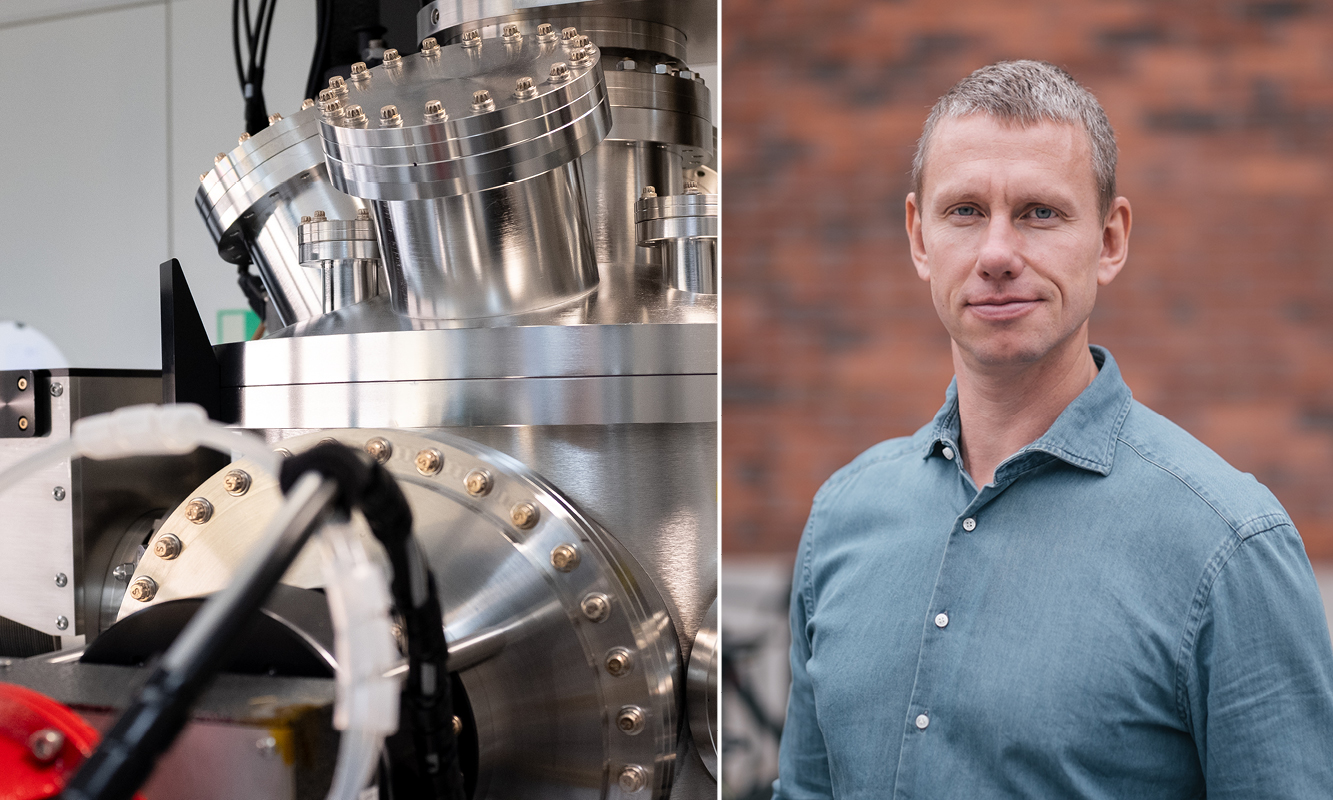
KTH Innovation has been awarded the highest amount of funding of all universities in Sweden for 2026–2027 in this year’s call for Vinnova's verification program VFT. The funding supports researchers in verifying research results with commercial potential.
This year’s call put particular emphasis on deep tech, innovation based on advanced technologies such as energy, biotechnology, materials, and AI.
“The fact that the program is directed toward deep tech, combined with our strong track record contributes to why KTH Innovation received such a large share of the funding,” says Daniel Carlsson, Business Development Coach at KTH Innovation and responsible for the program. “We work with many research-intensive projects with significant potential.”
Early-stage support through VFT
VFT funding is awarded in stages up to approximately SEK 300,000. The funding can be used for activities that lie between research and commercialisation, such as:
- technical verification, e.g., prototyping or external lab work
- patent applications
- market research
- field tests and pilots
- travels to potential partners or customers
- recruitment of entrepreneurial or commercial expertise
These are costs that are often difficult to finance through traditional research grants.
“VFT fills a funding gap that can otherwise be difficult to bridge,” says Daniel Carlsson. “The application cycles are short, decisions made quickly, and the support is directed toward activities researchers typically lack funding for.”
Results from ten years of follow-up
KTH Innovation has tracked 428 VFT-funded projects from 2012–2022. The follow-up shows strong outcomes:
-
51 % of the projects have led to company formation
-
26 % have secured private funding, totalling SEK 3,497 million, of which SEK 2,456 million went to deep tech companies
-
27 % have received public commercial funding
-
20 % have been incubated
-
21 % of all projects, (31% of deep tech projects), have established customer collaborations
-
12 % have recruited entrepreneurs through VFT
-
22 % have filed patent applications
“The numbers show that funded projects move forward,” Daniel Carlsson says. “We see company formations, investment, and collaborations with industry.”
Deep tech in focus
“Deep tech often requires extensive verification before you can take the next step,” Daniel Carlsson explains. “It is long-term, capital-intensive, and based on high scientific complexity. That makes VFT particularly relevant.”
One example is Agteria Biotech , which is developing a feed additive that reduces methane emissions from cows. VFT enabled their first field tests on cows at SLU, conducted before the team secured larger investments from actors such as Norrsken Launcher and Industrifonden.
To apply for VFT, researchers need some form of result, such as experimental data or a prototype, and an idea of how the research could create value outside academia.
How to apply
Researchers can contact KTH Innovation directly, either via innovation@kth.se or one of the business development coaches.
“We support researchers throughout the entire process, from application to implementation,” says Daniel Carlsson. “It’s worth exploring whether there’s something in your research results that needs verification.”