MSc Technology-based Entrepreneurship
The master's programme in Technology-based Entrepreneurship is designed for students with an engineering or technical background who want to learn how to commercialise innovations and bring new technologies to market. You will develop skills to evaluate commercial opportunities, build viable business models, and create and grow technology-based ventures within established organisations or as new companies.
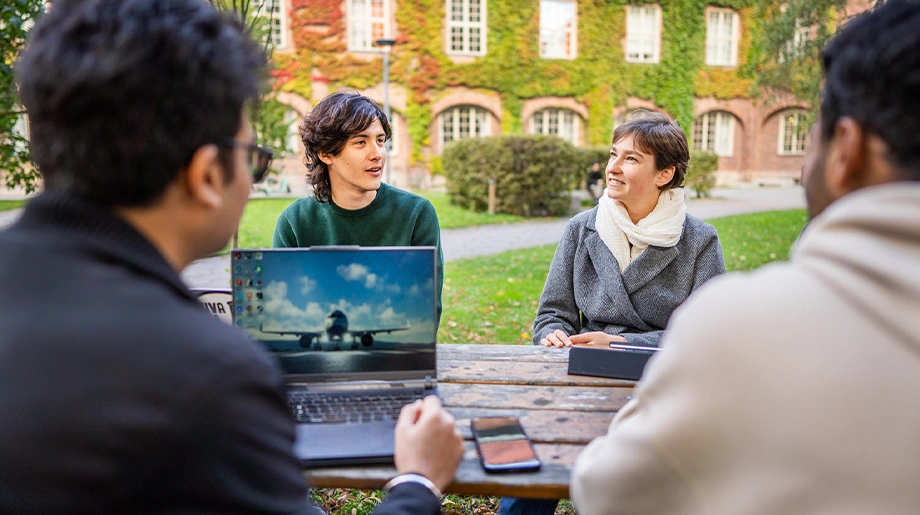
Technology-based Entrepreneurship at KTH
Today's economy demands individuals with entrepreneurial skills who can identify opportunities, take initiative, and solve problems creatively. This programme aims to develop future leaders of change who will not only lead large global corporations and organisations but also create and expand innovative ventures that deliver value by addressing customer and societal issues in sustainable, non-traditional ways.
The master's programme in Technology-based Entrepreneurship provides you with the frameworks and skills to develop companies in a dynamic global business environment. The programme equips you with a specialist understanding of technology-based entrepreneurial management. It's about designing the systems and organisations that create, capture, and deliver value-based products and services. The programme focuses on entrepreneurship, innovation and venturing within a predominantly technical context. You will understand the dynamics of innovation and entrepreneurship through advanced-level academic courses in entrepreneurial business and management, focusing on the specific technological and business conditions within selected technology application areas (for example, ICT, life sciences, manufacturing, and services). Challenges and opportunities in essential aspects such as sustainability, globalisation, and diversity are discussed throughout the programme.
This programme is particularly suited to students with an engineering or technical background who want to complement their technical expertise with the commercial and managerial capabilities needed to bring innovations to market. Whether you want to commercialise your own innovation, lead corporate venture initiatives, or support the development of technology-based businesses, you will learn to connect technical possibilities with customer needs, market opportunities and viable business models. The programme prepares you for careers in corporate venturing, venture capital, technology development and commercialisation, product and project management, start-up leadership, and other management roles.
The programme has an international panel of professors and experts who advise the programme leadership on content issues and provide control and external validation regarding the field and final master's degree projects. Additionally, Sweden is a leading nation in technology and innovation, and this programme is developed in close collaboration with the Technology Entrepreneurship Lab at KTH, providing significant opportunities for students.
This is a two-year programme (120 ECTS credits) in English. Graduates are awarded the Master of Science degree. The School of Industrial Engineering and Management (at KTH) offers the programme mainly at the KTH Campus in Stockholm.
Program structure and progression
During the first semester, you will gain fundamental knowledge about entrepreneurship, finding challenges, and capturing and developing ideas to solve problems. In the second semester, you will learn how to execute and grow a company.
The second year starts with a course in research methodology and a field project focusing on challenge-based entrepreneurship, which will allow you to work closely on a more practical project within the Stockholm entrepreneurship ecosystem. During the final semester, you will conduct a master's degree project.
Courses in the programme
Courses in the master's programme in Technology-based Entrepreneurship


Future and career
Whether you want to kick-start your own venture or pursue a fast-track career in innovative companies, this programme prepares you to identify opportunities, create value and drive innovation. As organisations increasingly seek people who can combine technological expertise with entrepreneurial thinking, you will develop the knowledge and skills needed to meet this demand.
After graduation, you can pursue roles such as innovation manager, customer success manager, management consultant, founder, digital marketer, business intelligence developer, digital strategy consultant, sales and marketing manager, product development manager, and project manager. Graduates work at companies including Ericsson, H&M, LinkedIn, Microsoft, PayPal, PwC, Salesforce, SEB, and Telia, as well as at start-ups such as Detectify, Furhat Robotics, FunRock, Connected Senses, and MAD Foundation.




Sustainable development
Graduates from KTH have the knowledge and tools for moving society in a more sustainable direction, as sustainable development is an integral part of all programmes. The three critical sustainable development goals addressed by the master's programme in Technology-based Entrepreneurship are:

The programme helps improve employment opportunities, particularly for young people with business ideas, by teaching and coaching students in creativity, innovation, and entrepreneurship, and by helping them identify business opportunities. To promote sustainable industrialization, this programme provides knowledge of industrial dynamics, emphasising innovation and entrepreneurship and aiming toward technical creativity. Moreover, you will have the opportunity to learn about responsible consumption of natural resources and production by applying creative ideas, entrepreneurial approaches, and innovative management. Students apply sustainability frameworks to real projects, such as designing business models for circular-economy start-ups or evaluating the environmental impacts of new technologies.
Faculty and research
The hosts the programme. The unit is one of three in the Department of Industrial Economics and Management and conducts research and education at the forefront of sustainability transitions and industrial transformations. The unit explores technological and industrial change, with a focus on innovation, creativity, entrepreneurship, and management. Researchers examine and develop concepts in areas such as eco-innovations, climate change mitigation strategies, the transition toward sustainable energy technologies, business models, industrial buying behaviour, brand strategies, e-commerce, fintech, and e-government. Current research projects aim to accelerate sustainable energy transformations in aviation, explore how the shift to AI can transform Sweden's technology-based industry, and examine opportunities for successfully redeveloping closed production plants. Insights from cutting-edge research on sustainable energy transitions and AI-driven business models feed directly into course content and student projects, ensuring that teaching is closely aligned with real-world technological shifts.
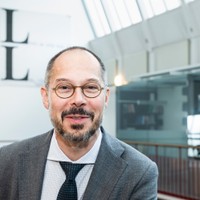
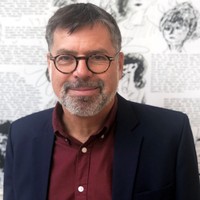
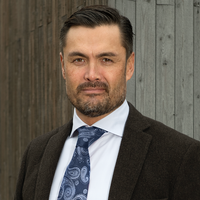
Faculty involved in the programme