MSc Scalable Computing Systems
The master's programme in Scalable Computing Systems focuses on the systems that power modern AI and digital services. You will learn to design, build and operate distributed data systems, cloud platforms and computing infrastructure for large-scale applications. The programme prepares you to develop reliable and efficient systems that can handle growing demands for data and AI computations at machine scale that refuse to fail.

Scalable Computing Systems at KTH
Modern society depends on large-scale digital infrastructure. Cloud platforms, AI services, data centres and communication networks process vast amounts of data every second and must remain reliable, secure and efficient as they grow in scale and complexity.
The master's programme in Scalable Computing Systems focuses on the design, deployment and operation of these systems. Rather than focusing on AI algorithms themselves, the programme explores the computing platforms, distributed systems, and network infrastructures that enable large-scale AI and digital services. You will develop the knowledge needed to design systems that can support millions of users, large-scale data processing and increasingly demanding AI workloads.
The programme combines foundations in distributed systems, scalable computing and networked infrastructures with opportunities to specialise in areas shaping the future of digital society. You will study how modern computing systems are built, operated and optimised, from cloud and edge platforms to AI infrastructure and next-generation communication networks.
This is a new master's programme starting in August 2027. Building on KTH's strengths in distributed systems, networking and scalable software systems, it brings together areas previously covered by several master's programmes while introducing a stronger focus on the infrastructure that underpins modern AI and digital services. The programme is developed within a research environment that includes leading researchers in scalable computing and distributed systems, including work led by Paris Carbone, co-creator of Apache Flink, one of the world's most widely used frameworks for large-scale stream processing.
The programme offers three tracks:
• AI Computing Systems
• Trustworthy Systems
• Networked Systems
The AI Computing Systems track focuses on the principles of designing and building computing infrastructure for demanding AI workloads. You will study GPU programming, scalable machine learning, data-intensive computing, distributed training and high-performance computing, gaining hands-on insight into how large-scale AI systems are deployed and operated in practice.
The Trustworthy Systems track focuses on the principles of making large-scale systems reliable, secure and resilient. Through fault tolerance, software testing, DevOps, security, verification and system architecture, you will develop the skills needed to build dependable computing platforms and services.
The Networked Systems track focuses on distributed computing and communication infrastructures. You will study cloud and edge computing, intelligent networking, distributed systems and emerging technologies such as non-terrestrial networks and LEO satellite constellations that will support future digital services. Shared with the master's programme in Information and Communication Engineering, the track brings together perspectives from both communication technologies and scalable computing systems.
Throughout the programme, you will work with technologies that form the foundation of modern digital infrastructure while developing the ability to analyse complex systems and address challenges related to scalability, performance, reliability, security and sustainability.
The programme is closely connected to KTH's internationally recognised research in distributed systems, scalable computing, networked systems and communication technologies. Students benefit from an active research environment spanning cloud and edge computing, AI infrastructure, formal methods, software systems, cybersecurity and next-generation networks. Located in one of Europe's leading hubs for digitalisation and communication technologies, the programme also benefits from KTH's long-standing collaborations with industry, providing valuable insight into current technological developments and future challenges.
This is a two-year programme (120 ECTS credits) given in English. Graduates are awarded the degree of Master of Science. The programme is offered mainly at KTH Campus in Stockholm by the School of Electrical Engineering and Computer Science (at KTH).
Programme structure and progression
During the first year, all students build a common foundation in communications, systems and scalable computing through mandatory courses. You then begin to specialise within your chosen track through courses in areas such as distributed systems, cloud and edge computing, networked systems, AI infrastructure or trustworthy software systems.
In the second year, you continue to deepen your expertise through advanced and elective courses within your chosen track. All students take courses in research methodology and scientific writing and complete a project course that integrates knowledge from across the programme. The programme concludes with a degree project carried out during the final semester.
Courses in the programme
The courses in the programme cover topics such as distributed systems, cloud and edge computing, AI infrastructure, scalable machine learning, GPU programming, data-intensive computing, software testing, fault-tolerant systems, cybersecurity, networked systems, intelligent networking and communication infrastructures.
Courses in the master's programme in Scalable Computing Systems

Future and career
The demand for engineers who can design, deploy and operate large-scale computing systems continues to grow rapidly. As AI services, cloud platforms and digital infrastructures become increasingly important across industries, organisations need engineers who understand how to build systems that are scalable, reliable and efficient.
Graduates are prepared for careers in cloud computing, AI infrastructure, distributed systems, software platforms, cybersecurity and digital infrastructure. Depending on your chosen track, you may work with large-scale computing systems, AI deployment platforms, distributed software systems, network infrastructures or system reliability.
Typical roles include AI Infrastructure Engineer, ML Infrastructure Engineer, Data Platform Engineer, Site Reliability Engineer, DevOps Engineer, Verification Engineer, Compiler Engineer, Distributed Systems Engineer, Cloud Infrastructure Engineer and Network Engineer. The programme also provides a strong foundation for doctoral studies at KTH and other universities worldwide.




Sustainable development
Graduates from KTH have the knowledge and tools for moving society in a more sustainable direction, as sustainable development is an integral part of all programmes. The three key sustainable development goals addressed by the master's programme in Scalable Computing Systems are:
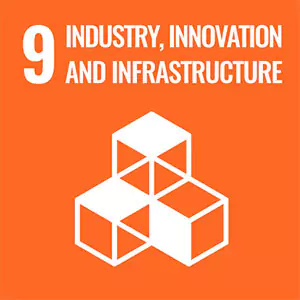


Scalable computing systems play a central role in the digital transformation of society. The programme addresses sustainability through the design of resource-efficient computing infrastructure, sustainable data centres, scalable communication systems and trustworthy digital services.
You learn to evaluate technical solutions from environmental, societal and ethical perspectives and develop systems that support more efficient use of computational resources, reliable digital infrastructure and responsible deployment of advanced technologies.
Faculty and research
The programme is hosted by the School of Electrical Engineering and Computer Science at KTH. Research connected to the programme spans distributed systems, scalable software systems, cloud computing, AI infrastructure, formal methods, cybersecurity and networked systems.
Students are taught by researchers who contribute to the development of future computing infrastructures, large-scale software systems and digital platforms. Through close links to ongoing research and collaboration with industry, the programme provides insight into both current challenges and emerging technologies within scalable computing systems.
KTH is ranked among the world's leading universities in Electrical and Electronic Engineering and Computer Science-related fields. Combined with strong research environments and close links to industry, this provides you with access to a leading international environment for scalable computing and digital infrastructure.
Faculty involved in the programme