
ElectroLight aims to reduce the carbon footprint of our lifestyle
ElectroLight is a Strategic Research Initiative at KTH, a bottom-up initiative with focus on electricity- and light-driven chemical molecular processes.
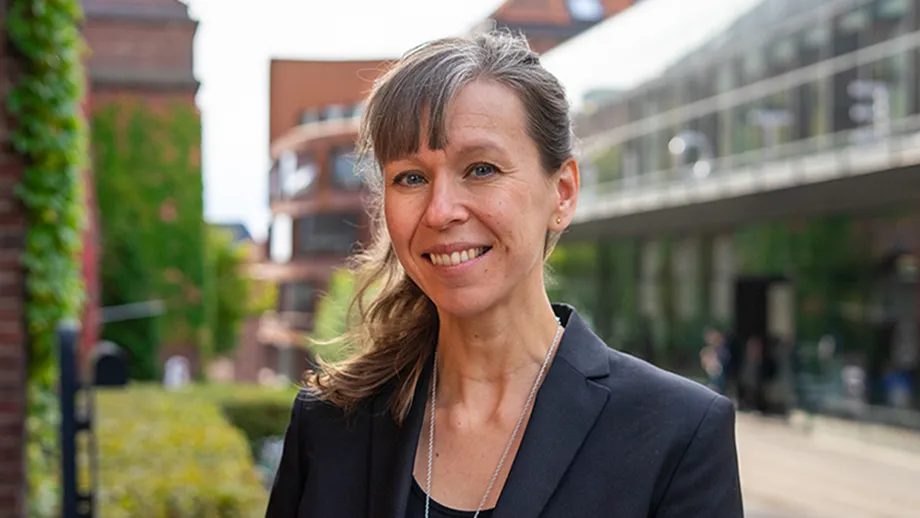
“Light- and electricity-driven processes have great potential to reduce our societal dependence on fossil feedstocks, not the least to reduce the footprint of industrial chemical processes,” Associate Professor Helena Lundberg, ElectroLight’s coordinator, says.
Together with a group of fellow KTH researchers, she initiated ElectroLight to gather KTH expertise on generation, storage and use of electricity. The initiative will provide a platform to leverage the combined knowledge of technical phenomena like electron transfers at interfaces, charging and excitation of molecular compounds and selective formation and cleavage of chemical bonds in molecules.
“ElectroLight aims to be a platform for bottom-up initiatives in the research areas of interest, connecting KTH faculty and promoting funding joint acquisition,” Lundberg says.
Reduced carbon footprint
Innovative electricity- and light-driven chemical molecular processes can, for example, be used to produce chemical compounds without hazardous reagents and fossil resources or degradation of persistent pollutants. The chemical products can span from advanced pharmaceuticals to materials in consumer textiles and containers.
“With new chemical processes at hand that utilize light and electricity to convert energy into chemical products, the carbon footprint associated with our lifestyle may be reduced,” Lundberg says.
Such new strategies are highlighted by the Swedish industry and the European Commission’s 2023 “Transition Pathway for the Chemical Industry” identifies electrification as essential for a green industrial transition. ElectroLight aims to support this movement by positioning itself as a national powerhouse for research and education on sustainable chemical production through electro- and photochemical techniques.
Jon Lindhe ( jlindhe@kth.se )