KTH’s strategic research initiatives mobilise efforts around strategically important areas with a clear connection to societal development and societal needs. They bring researchers together in new collaborations, both within established research areas and through the creation of new ones
The 2025 Swedish governmental research bill designates “Climate-related research” as a Strategic Research Area (SFO), emphasizing the need for socio-technical transformations in key sectors such as energy, transport, food, and the built environment.
FLUX – A center for Fluid Science Driving Technology and Sustainability
Fluid mechanics is at the heart of many of society's most pressing technological and environmental challenges—from the transition to sustainable energy and urban cooling to breakthroughs in aviation, defence, and biotechnology. With FLUX, KTH aims to strengthen its world-leading position in this critical field.
The KTH strategic research initiative IMPreT brings together world-leading expertise at KTH to develop advanced human in vitro models—such as organoids and organ-on-chip—for use in precision medicine and pharmaceutical research. Our vision is to become Sweden’s hub for developing and providing in vitro technologies that benefit both clinical practice and industry.
KTH Battery 3PC – a circular battery production initiative
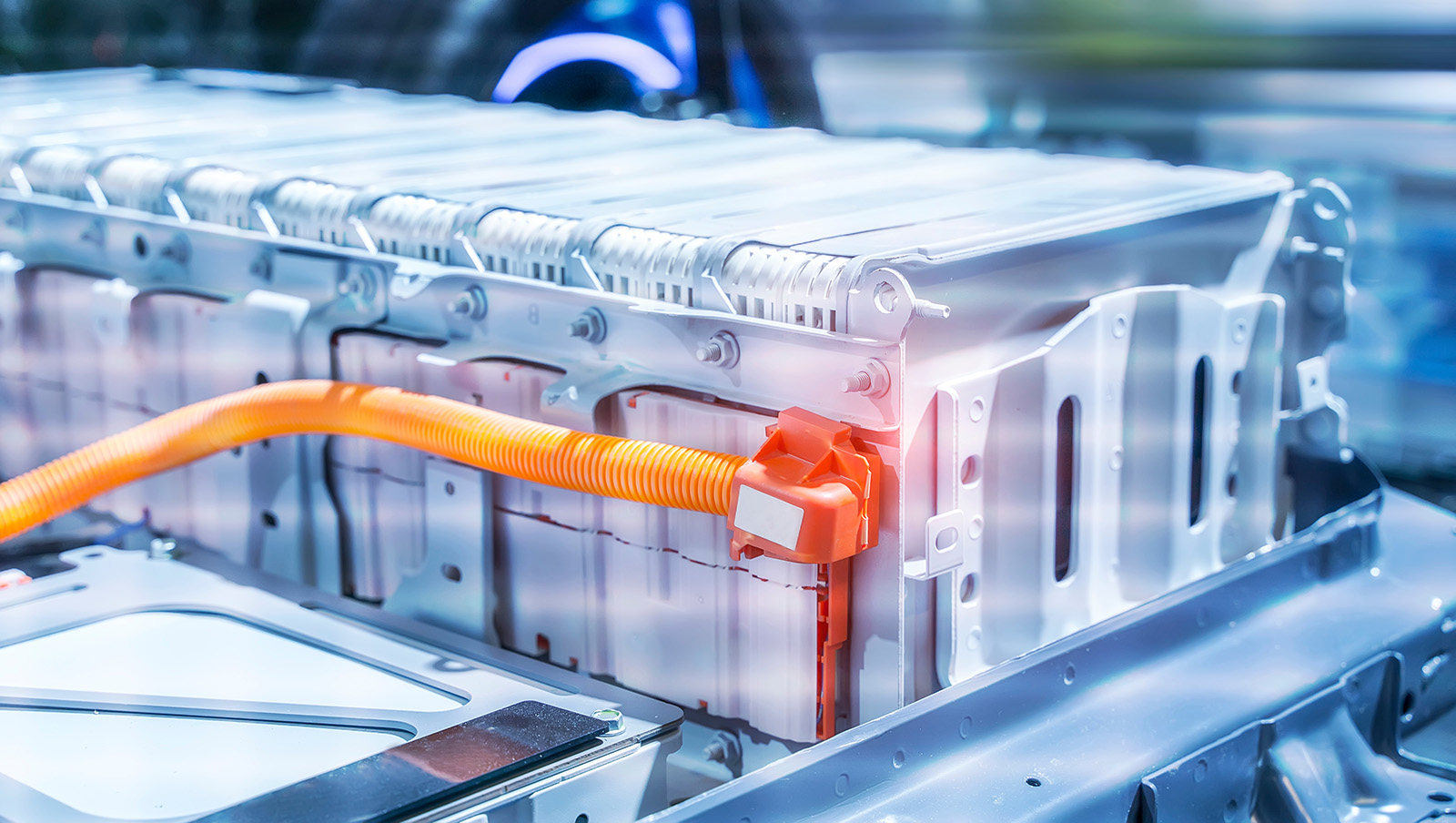
Large-scale, sustainable and high quality battery production is one of the most complex challenges to power a sustainable future. That is why, KTH’s Battery 3PC initiative brings together leading expertise to improve the way batteries are produced, paving the way for a circular and efficient energy transition. The acronym 3PC stands for process, production, product and circularity.
Understanding brain disorders requires connecting the brain's chemistry and structural properties with the brain's electrical activity. Through a multidisciplinary initiative, KTH aims to pave the way for improved diagnosis and treatment of brain diseases.
Over the past decades, AI research has flourished across various schools and departments at KTH. Forging ahead, there is an urgent need to strengthen, accelerate, and better coordinate these initiatives while enhancing their international visibility.
KTH ElectroLight addresses the need for sustainable chemical production by development of light- and electricity-driven processes that eliminate reliance on hazardous reagents and fossil resources.
KTH GAIN – Generative AI for Next-Generation Science
The GAIN platform aims to build on KTH’s strengths in scientific computing to establish broad leadership in applying generative AI methods in high-performance computing environments. Our particular focus is achieving impact in high-profile scientific and societal challenges.
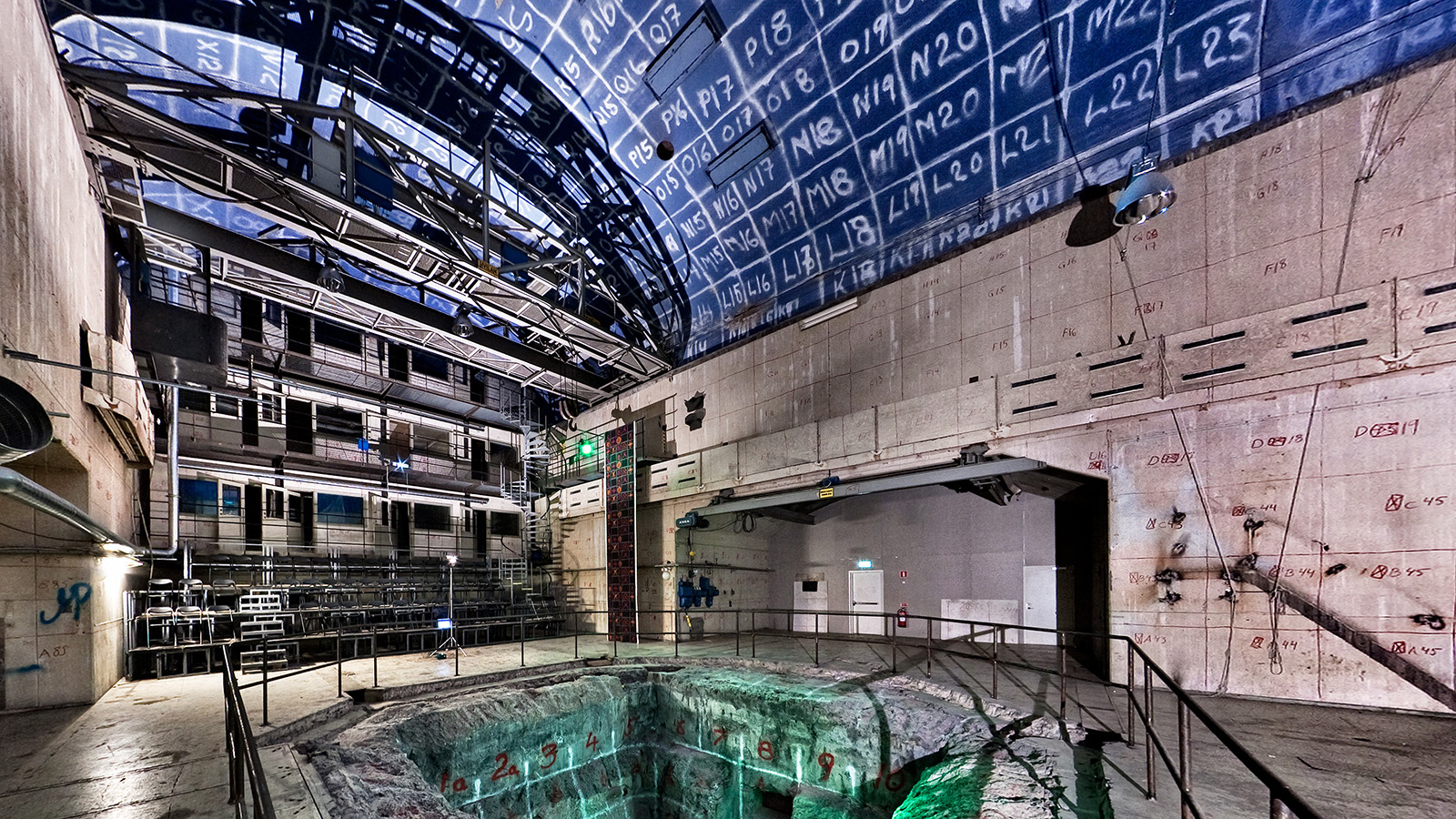
The Reactor Hall on KTH’s campus was originally home to Sweden’s first nuclear reactor, the research reactor R1. Photo: Jann Lipka.
Swedish nuclear power was born at KTH Royal Institute of Technology. Together with industry, academia and business, we are now taking the next step and developing the technology to meet future needs with KTH Nexus – a decarbonization initiative within nuclear technology.
The SPHERE initiative aims to transform Stockholm into a leading smart city by leveraging advancements in sensing, digital technologies, materials, and 3D printing.
KTH Supreme – Sustainable Protein Materials Engineering
KTH Supreme aims to establish a collaborative platform for the design of advanced protein materials, generating the knowledge needed to address fundamental challenges and enable novel technologies. Potential applications include environmentally friendly alternatives to synthetic, fossil-based polymers, functional materials for sustainable technology, and biomedical materials.
This research initiative aims to bring together the most successful research leaders at KTH across within wireless communication and related technology fields. The objective is to foster synergy effects and harness the potential of emerging application fields where wireless technology can be utilized to the benefit of society, even beyond traditional telecommunication.
Polaris – autonomous platform for soft-matter science
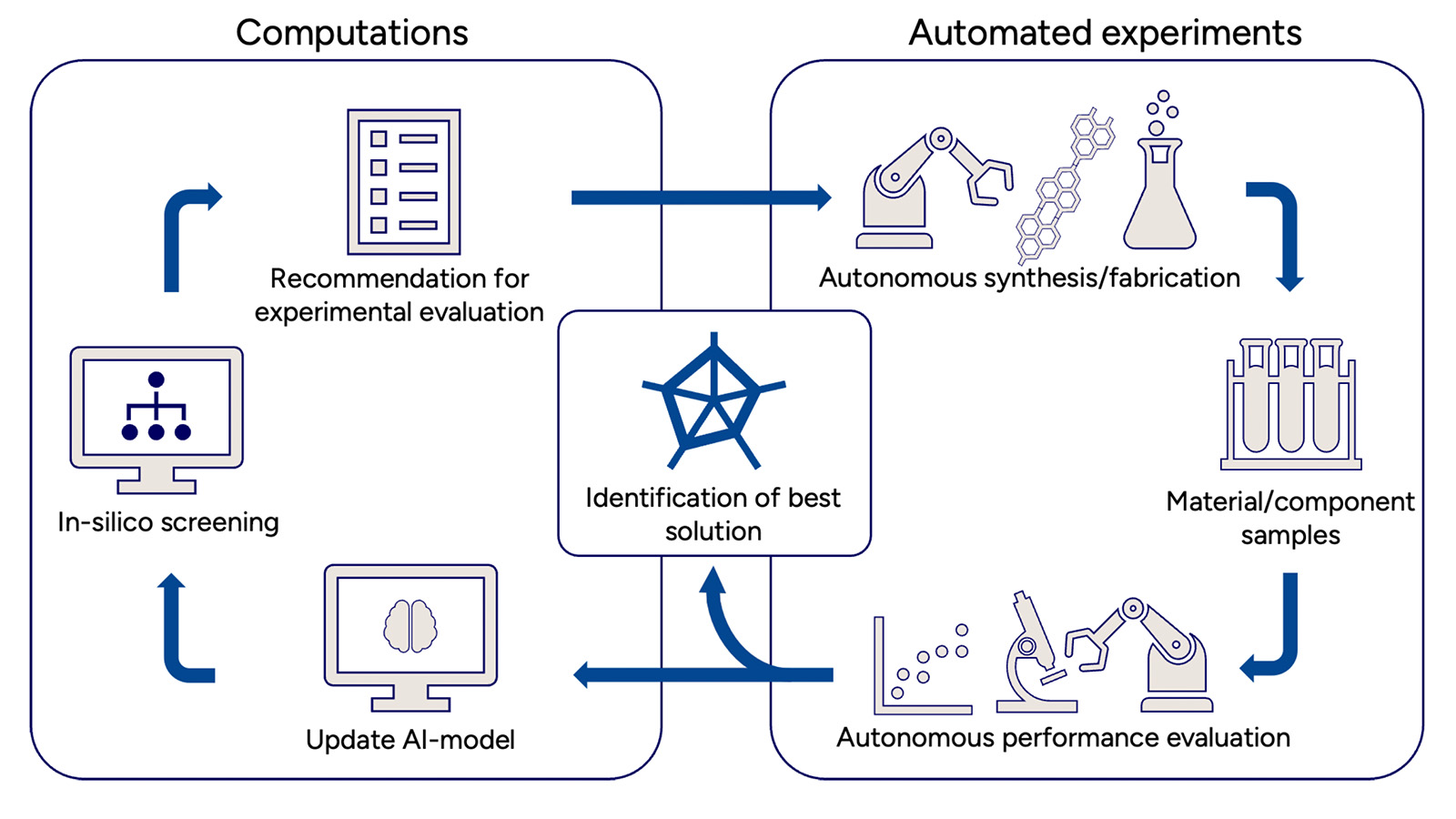
The Polaris platform combines computations and automated experiments to identify optimal solutions.
Polaris strengthens KTH’s position in soft-matter science by providing an autonomous platform that integrates experiment, modelling, and AI. The initiative will enable AI-driven materials development and promote sustainability through bio-based inputs, lower environmental impact, and improved recyclability.
The most energy- and cost-efficient technology for transmitting electricity over long distances is high-voltage direct current (HVDC) transmission, especially if the transmission is over the sea, as in the case of offshore wind farms. This technology is currently undergoing an unprecedented growth phase.