From campus to collider: SCI management visited CERN
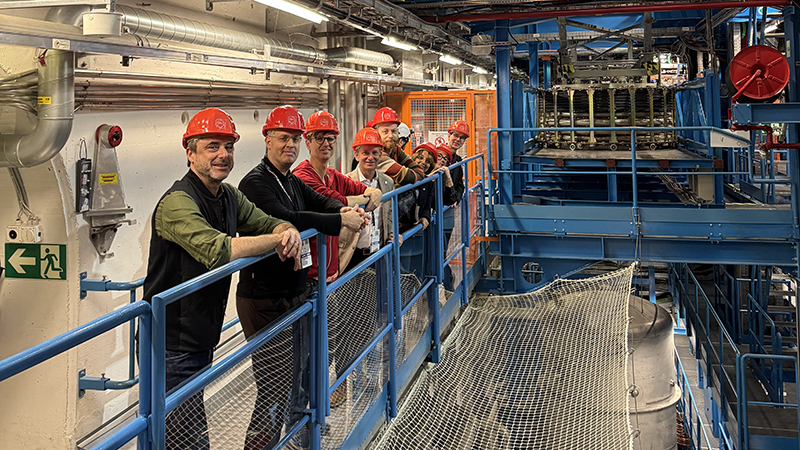
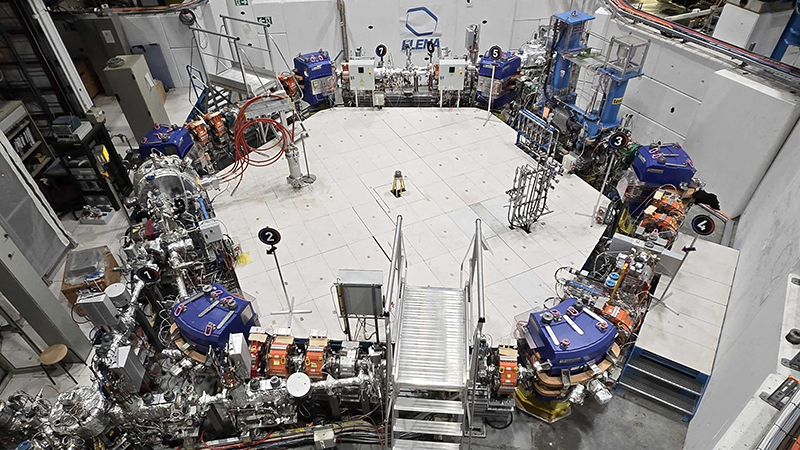
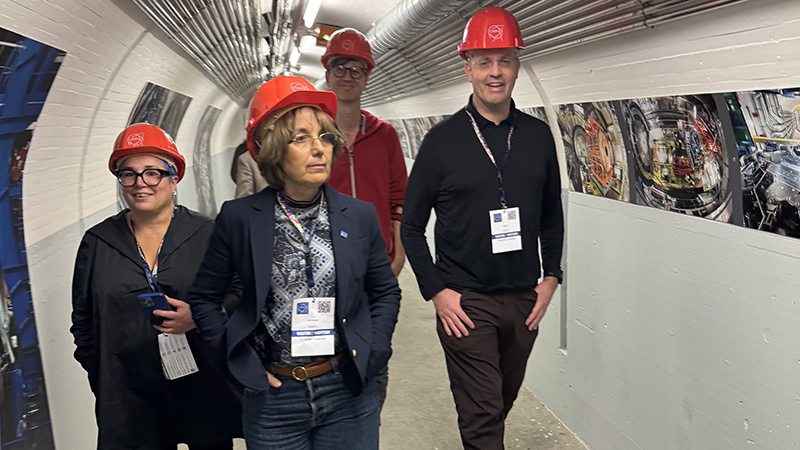
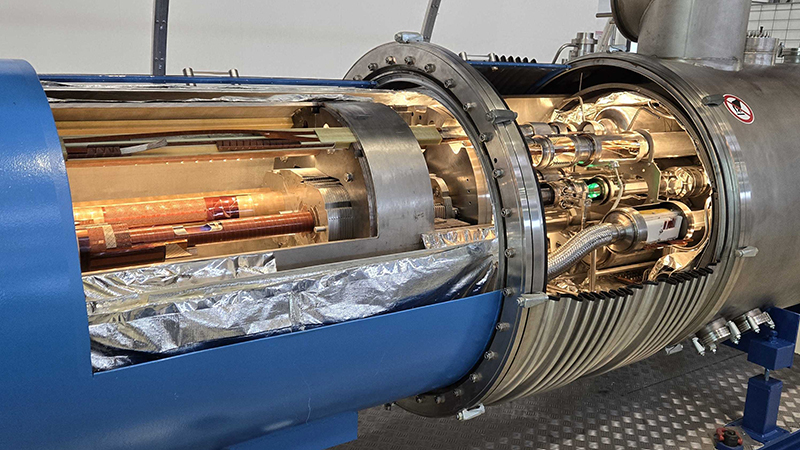
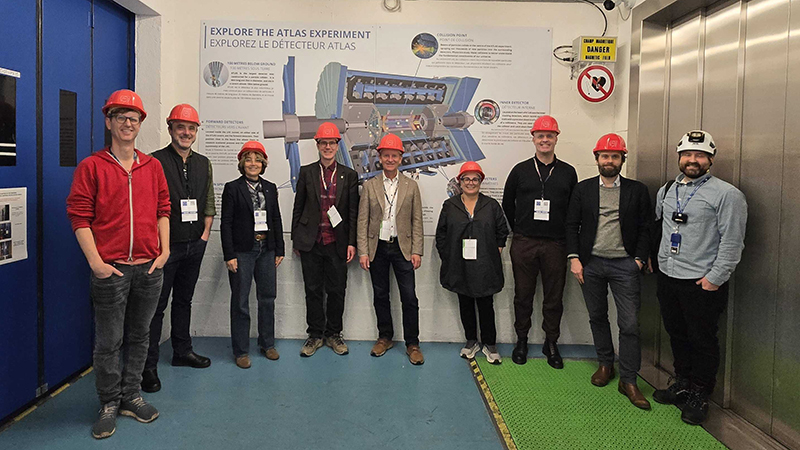
In January, the SCI school management team and three division heads visited CERN to get a closer look at one of the world’s most ambitious research collaborations: ATLAS at the Large Hadron Collider. The visit offered a practical sense of what large scale international research looks like, and how KTH contributes to it.
ATLAS is often described as a giant “super camera”, 40 metres long and 25 metres high, built to record traces from particle collisions and help researchers understand the universe’s smallest building blocks. On site, the group got a clearer picture of the work behind the results: building and running complex detector systems, and continuously improving the software and computing that keep the experiment moving forward.
The scale is striking. ATLAS brings together around 6,000 active members from 177 institutions in 40 countries, and handles vast volumes of data through extensive computing resources.
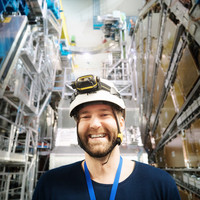
The visit also highlighted SCI’s involvement in ATLAS through Associate Professor Christian Ohm and Associate Professor Jonas Strandberg, who both play key roles in the collaboration. Both are among the recipients of the 2025 Breakthrough Prize in Fundamental Physics, awarded to the ATLAS collaboration for its scientific achievements. KTH has been part of ATLAS since 1996, contributing to instrumentation, data analysis and scientific leadership.
Looking ahead, ATLAS is preparing for the High Luminosity LHC era from around 2030, and KTH is involved in developing new detector technology, as well as the readout and data processing needed to handle far higher collision rates.
Contact