
New doctoral students mark GRAITE launch

Last year, the Swedish Research Council awarded funding to twelve national research schools for teacher educators. Among them is GRAITE (GRAduate School for AI and Teacher Education), which seeks to strengthen understanding of AI’s impact on teacher education and the teaching profession.
On 28-29 September, GRAITE held its inaugural meeting at Mid Sweden University in Sundsvall. Among the participants were Stefan Hrastinski, Professor at the division of Digital Learning at KTH, and also KTH's representative in the research school, and Anna Land, a doctoral student at KTH.
We asked Stefan and Anna to share their thoughts on GRAITE, the meeting in Sundsvall, and their expectations for the graduate school.

What is your role in GRAITE?
“I am one of sixteen doctoral students who will take courses, exchange experiences, and develop together throughout the programme,” says Anna.
How did you experience the first meeting in Sundsvall?
“It was highly valuable and rewarding. It was great to meet the other doctoral students who are exploring questions similar to mine. We have already learned a great deal from one another, and many spontaneous discussions emerged.”
What are you most looking forward to in GRAITE?
“My research focuses on helping to develop an approach to AI in teacher education that aligns with what teacher educators and student teachers believe benefits them and supports learning more broadly. In this regard, the graduate school is an important piece of the puzzle, bringing together diverse perspectives on AI in teacher education and providing support for me and the other doctoral students in conducting our research.”
Why did you choose to research AI and teacher education?
“I am a teacher by training and have experience of the challenges newly qualified teachers face when entering the profession. The emergence of AI technology is creating new and complex demands on teachers, making the role of teacher education increasingly important in helping new teachers navigate these challenges while safeguarding learning.
I am passionate about ensuring that teacher education has the right conditions to support student teachers’ professional development in understanding how AI can be used to enhance learning rather than replace it,” Anna concludes.
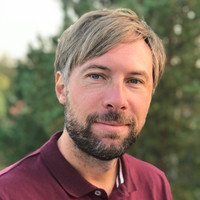
"The next step for GRAITE is for the doctoral students to take courses together and meet in joint seminars. In this way, we are building a national research environment where doctoral students and supervisors can learn from one another and develop new knowledge together. In four or five years, we will have many exciting doctoral defences to look forward to,” Stefan explains.
AI is transforming both schools and the teaching profession. Through the graduate school, we are also educating the next generation of teacher educators, who will be better prepared to address the opportunities and challenges that AI brings, says Stefan Hrastinski.
Text: Rita Nõu