
Blood test can predict multimorbidity
A few common blood markers can show which older people are at risk of developing multiple chronic diseases at the same time – and how quickly this can happen. This is according to a new study led by Karolinska Institutet, in which researchers from KTH have participated.
Multimorbidity, that is, living with multiple chronic diseases at the same time, is common among older people. Now, researchers have identified a number of biomarkers in the blood that can help predict the risk.
The study analyzed blood samples from just over 2,200 people over the age of 60. The researchers measured 54 different biomarkers that reflect biological processes such as inflammation, vascular health, metabolism and neurodegeneration.
A key insight emerging from our work is that several blood biomarkers – particularly those related to metabolic processes – were strongly associated with specific disease clusters and the rate at which additional diseases emerged. Seven blood markers proved to be particularly important.
Interdisciplinary collaboration
All data for the study was produced by researchers at KTH, who also planned and carried out the biomarker measurements using advanced equipment.
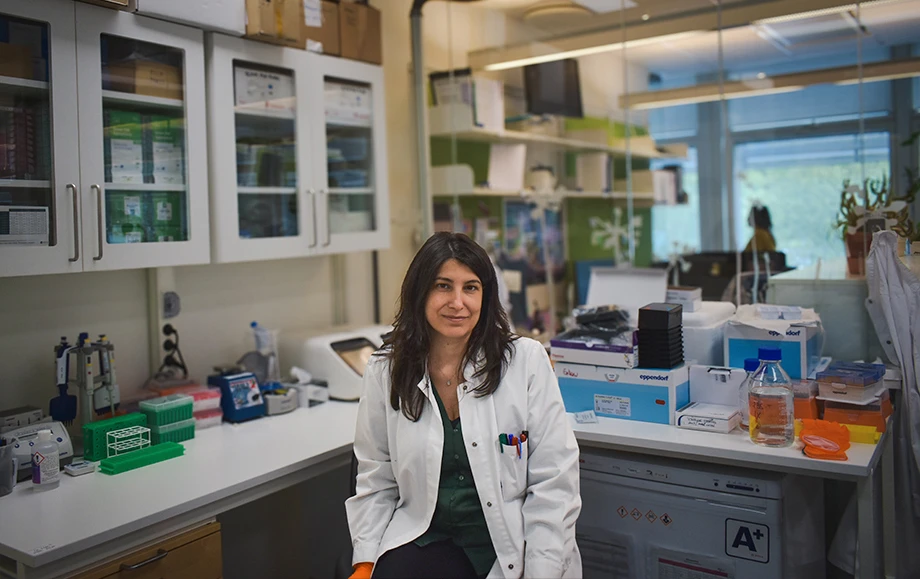
“The work shows how important interdisciplinary collaboration is in transforming cutting-edge technology into practical and effective tools to improve clinical understanding and outcomes,” says Claudia Fredolini , researcher and head of the Affinity Proteomics unit at KTH.
The results open up the possibility of using simple blood tests in the future to identify people at high risk early, which could make it possible to initiate preventive measures earlier.
Individualised care
The long-term goal is to shift toward a more integrated and personalized approach to the care of older adults, highlighting the importance of interpreting biomarker results within the broader clinical and biological context of aging.
“By combining biological measurements with a comprehensive assessment of the health of the elderly, care can be better adapted to the individual, instead of focusing on individual diseases, supporting early identification of individuals at higher risk of adverse outcomes” says Claudia Fredolini.
The researchers now plan to follow how the blood markers change over time and investigate whether lifestyle changes or medications can affect the development of the disease.
The study has led to several scientific publications, the most recent, Shared and specific blood biomarkers for multimorbidity , in the journal Nature Medicine.
Text: Christer Gummeson ( gummeson@kth.se )