A match against energy waste
KTH research improves Bosön’s facilities
While elite athletes push their limits on the tracks and in the gyms at Bosön, KTH researchers are taking on a different challenge behind the scenes: reducing energy waste in one of Sweden’s most advanced sports facilities.

Sports centres consume vast amounts of energy. Although they make up only a small share of Europe’s total building stock, they can account for around ten per cent of annual energy use in some regions. Large volumes of air must be heated, cooled and ventilated – often around the clock. Add ice rinks, swimming pools and extensive shower facilities, and energy demand quickly escalates.
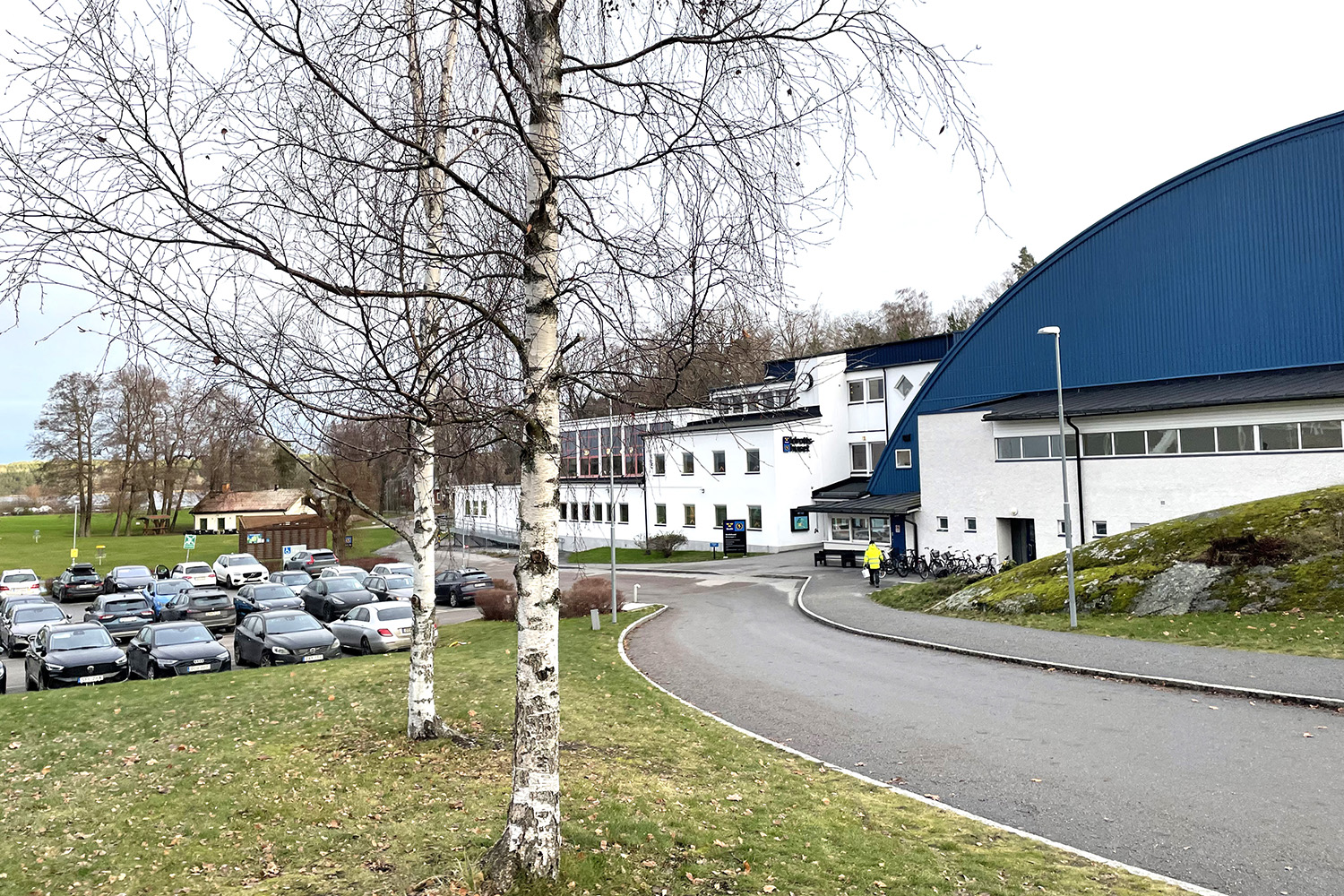
It is precisely this type of complex environment that is now the focus of a new research project at Bosön, the Swedish Sports Confederation’s national development centre on northern Lidingö. Surrounded by water, pine forests and running tracks, Sweden’s elite athletes train here. Bosön is no ordinary sports facility: it brings together state-of-the-art training halls, testing laboratories, educational spaces, rehabilitation facilities and accommodation in a single, integrated campus.
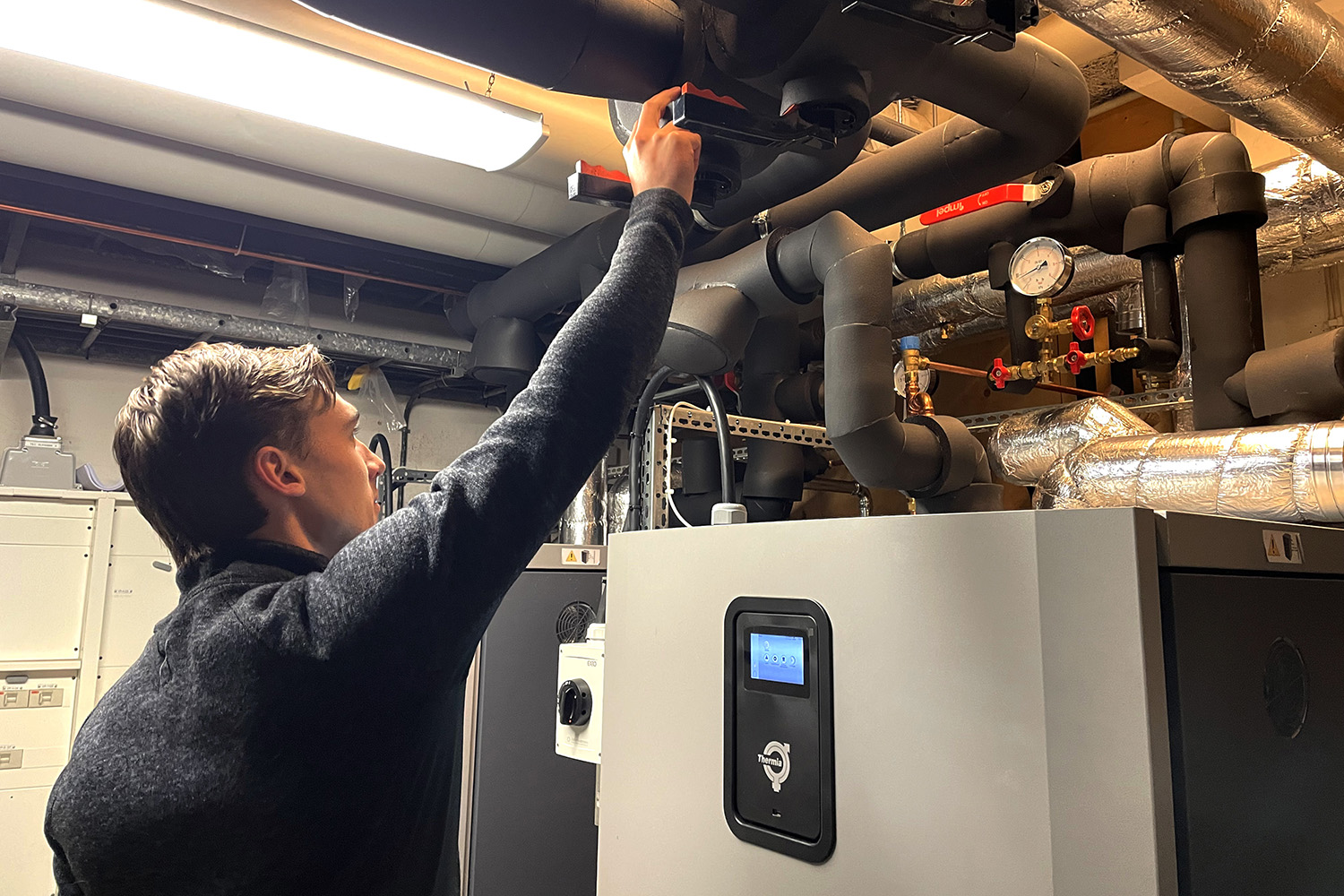
But behind the scenes – in underground tunnels, technical rooms and ventilation systems – another kind of development work is underway. Here, KTH researchers are exploring how the sports facilities of the future can become significantly more energy efficient.
A doctoral student with dual passions
Two to three times a month, doctoral student Arvid Johannisson from KTH’s Department of Energy Technology travels to Bosön. For him, the project is more than a research assignment – it is a perfect fit.
“With a background in elite sport and as an energy engineer, this is a unique opportunity. Bosön is a fantastic facility, but from an energy perspective, there is plenty of room for improvement,” he says.
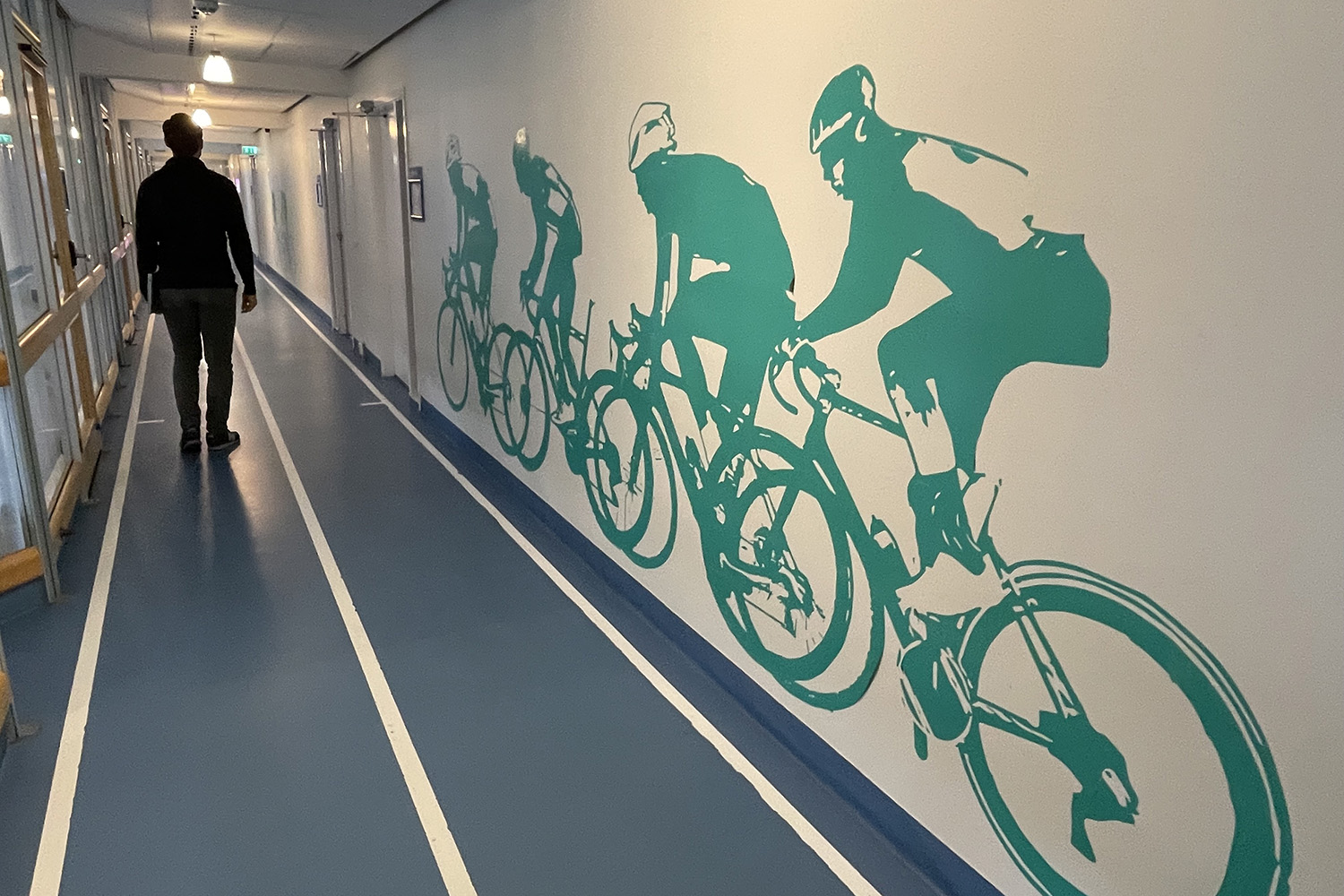
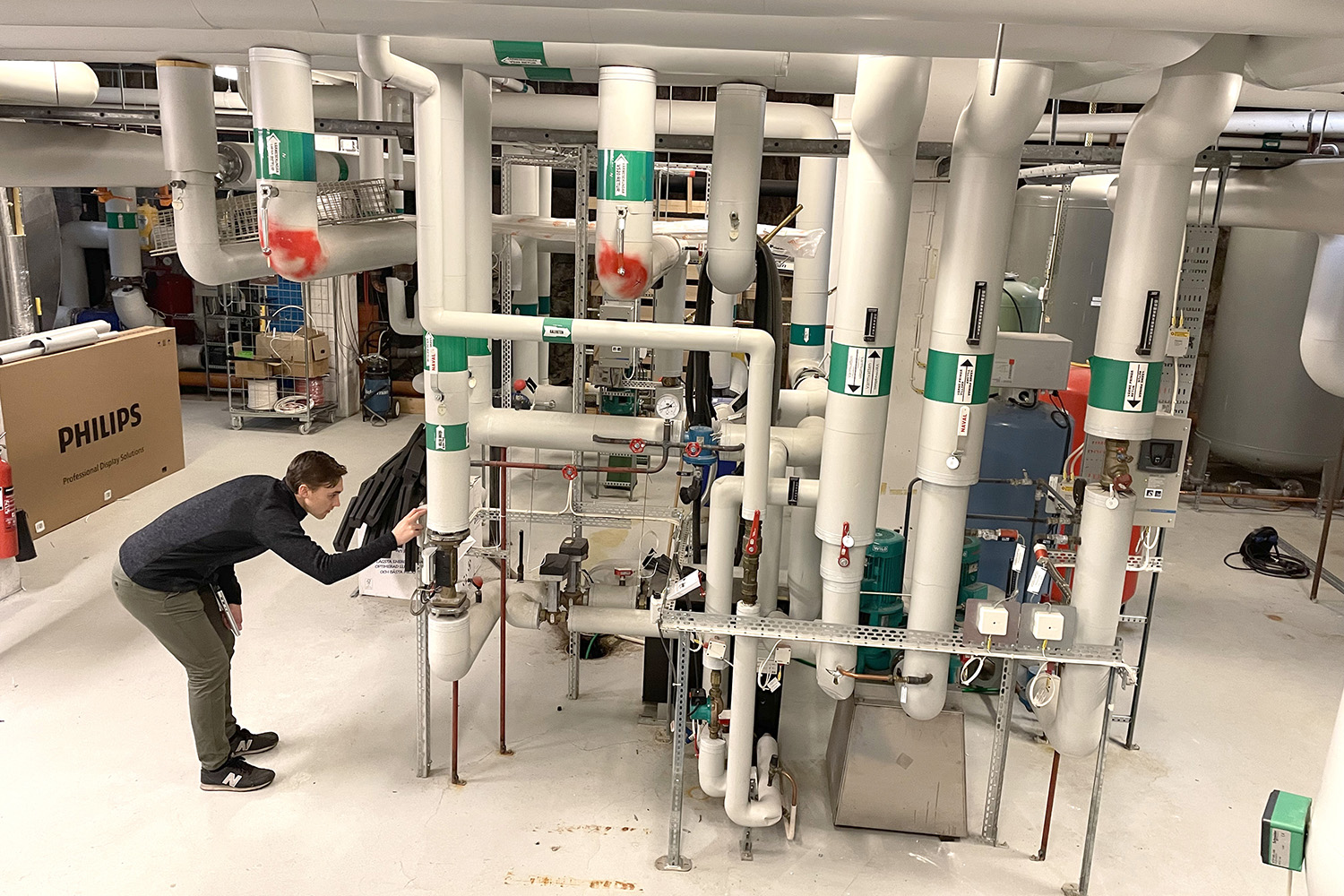
Arvid moves confidently through airy training halls, narrow service tunnels and technical rooms where pipes and cables run through the campus. He explains how heat and cooling are transferred between the sports hall and the school building via an underground tunnel – and casually mentions, that a well-known sports figure has just passed through the hall.
The long-term ambition is for Bosön to develop into a near-zero energy campus, powered largely by locally produced renewable energy, and to serve as a testbed for future energy solutions in sports facilities. For now, however, Arvid Johannisson’s focus is on building a detailed picture of how the systems are actually used.
“Our top priority is to install more measuring equipment and improve data logging. We need a clearer understanding of how the main energy systems operate – and how they interact,” he says.
Heat beneath the pitch
Beneath the artificial turf on the football pitch lies a crucial part of Bosön’s energy infrastructure. Boreholes filled with a water-based solution are connected to heat pumps, supplying the buildings with heat in winter and cooling in summer.
“With the same amount of electricity, a heat pump can deliver about three times as much heat as an electric boiler,” Arvid Johannisson explains.
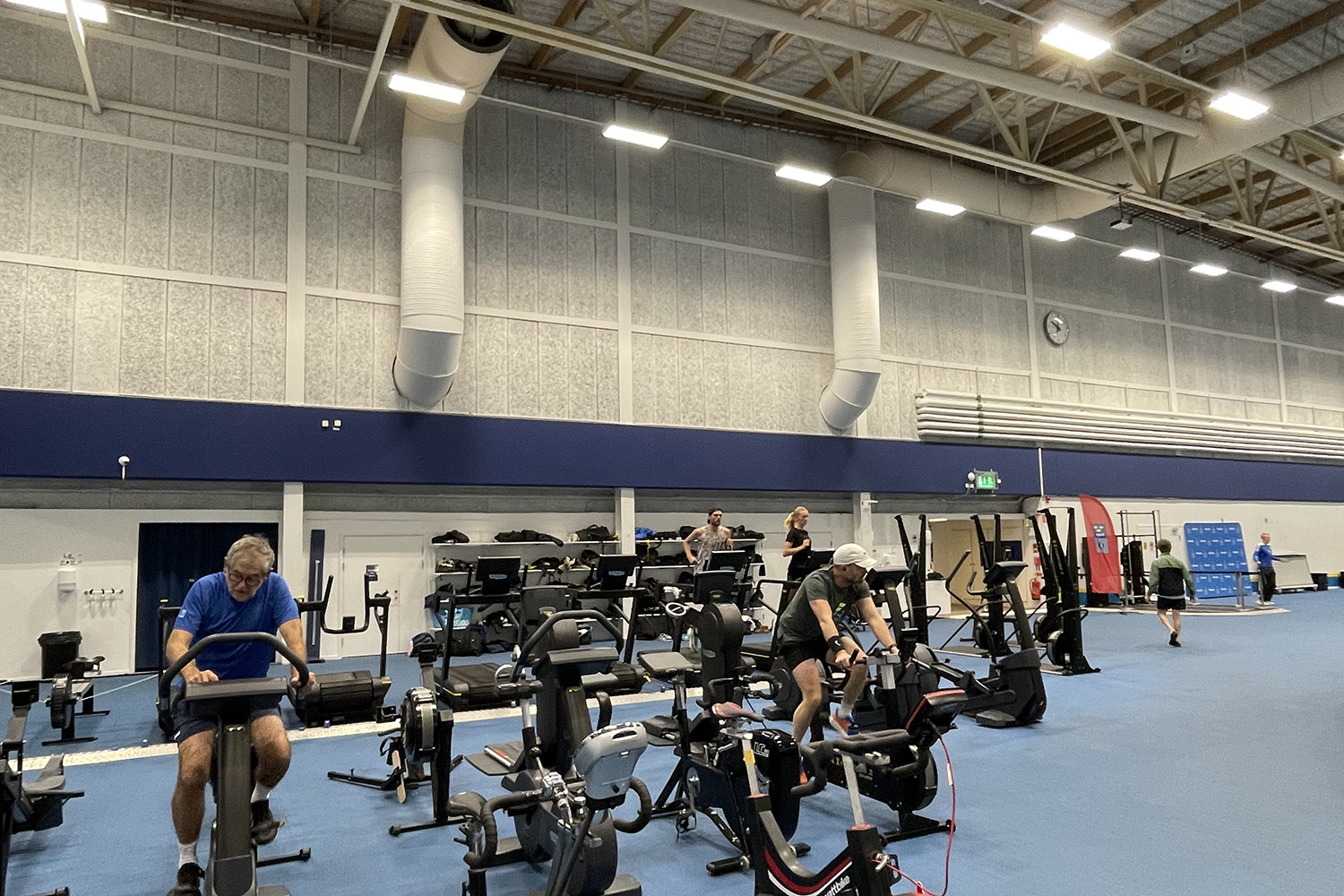
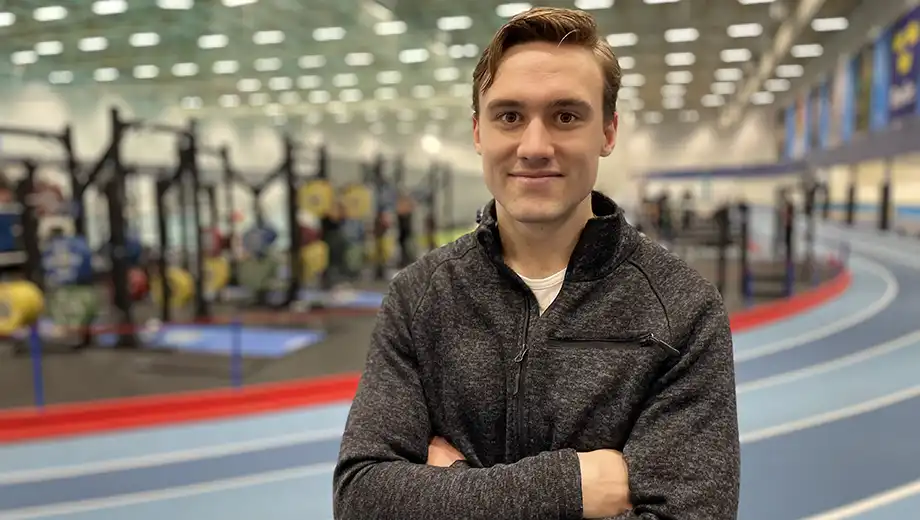
Inside the impressive Framgångshallen – the “Success Hall” – a 200-metre indoor running track encircles the space. The gym has recently been relocated to the centre of the track, a change that has had unexpected consequences for energy use.
“When people run, they keep themselves warm. Strength training, on the other hand, requires a higher indoor temperature, so the temperature has been raised from 17 to 20 degrees.”
The example highlights one of the key challenges in sports facilities.
“These are large buildings with a lot of air that must be kept at high quality. The environment has to work for both athletes and spectators. And some processes – like ice production or pool heating – are extremely energy-intensive.”
“We need to invest wisely”
Bosön’s energy costs have risen sharply in recent years. Facility manager Karin Karlsson sees the research project as an essential guide for future decisions.
“The results are crucial for us to be able to make wise investments,” she says.
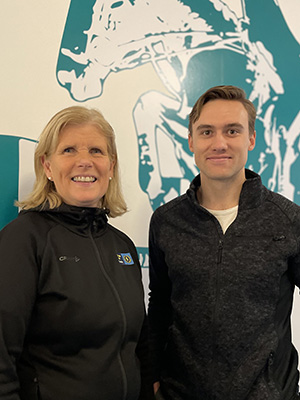
Karin Karlsson has worked at Bosön for more than three years and has a long background within the Swedish Sports Confederation. She now oversees one of the country’s most complex sports facilities.
“We are in a very strong position to share the knowledge gained from this project with other sports facilities across Sweden,” she says.
Dissemination is a central part of the project. The findings will be presented in scientific journals, at conferences and in seminars, both in academia and in industry. Through the Swedish Sports Confederation, SKR and various sports associations, the insights can reach municipalities, clubs and property owners throughout the country.
The hope is that the project will demonstrate how sports facilities can reduce both energy use and costs – from simple, quick-win measures to larger, long-term investments.
Text: Anna Gullers
Bosön, slideshow